The brief
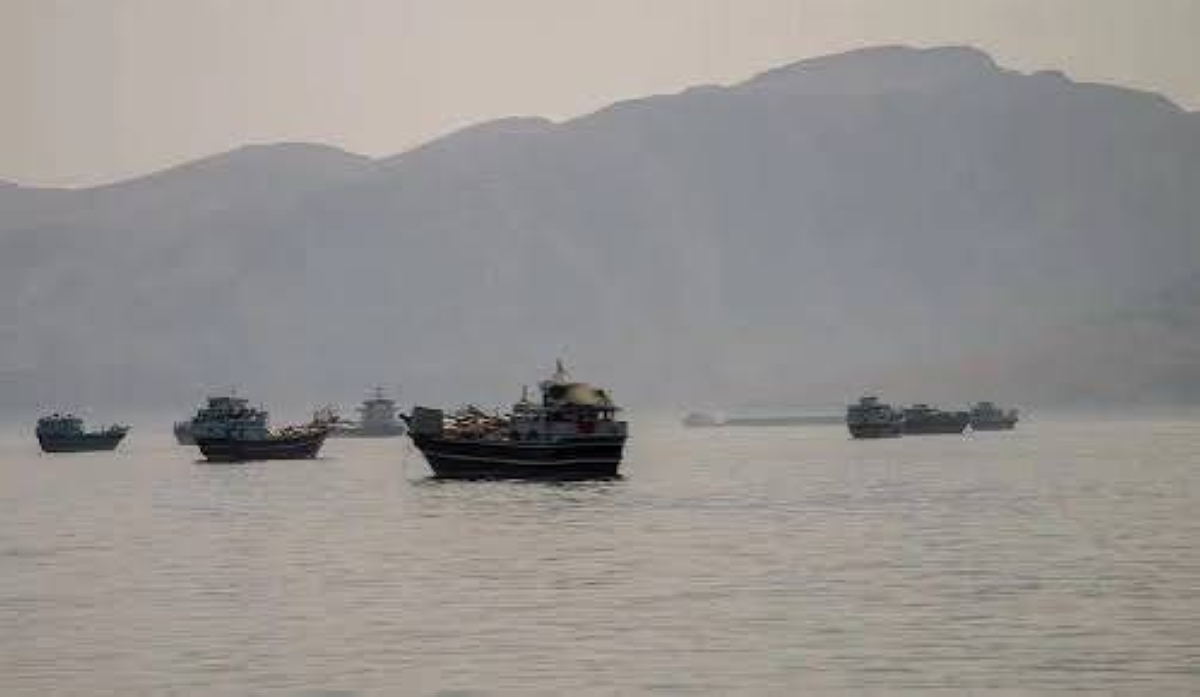
Iran has announced the closure of the Strait of Hormuz, citing alleged ceasefire violations and ongoing regional tensions.
Context
The Strait of Hormuz is a vital waterway for global oil shipments, making any closure significant for international trade and security.S1S2
Key points
- Iran's military command has stated that the strait is closed to vessel traffic.S1
- The closure is attributed to alleged violations of a ceasefire agreement.S1
- Iran's actions follow Israel's continued military operations in Lebanon.S2
- Iranian negotiators are traveling to Switzerland for talks with the U.S. regarding an interim deal.S2
- The closure of the strait could impact oil prices and shipping routes globally.S1
- Iran's military has taken a firm stance amid escalating regional tensions.S2
- The Strait of Hormuz is crucial for the transportation of oil from the Gulf region.S1
Why it matters
- The closure of the Strait of Hormuz could disrupt global oil supplies, affecting economies worldwide.S1
- Increased military tensions in the region may lead to further conflicts.S2
- Negotiations between Iran and the U.S. could be impacted by the heightened tensions.S2
What to watch
- Monitor developments in Iran-U.S. negotiations in Switzerland.S2
- Watch for responses from Israel and other regional players regarding the closure.S1
- Keep an eye on global oil markets for potential price fluctuations.S1