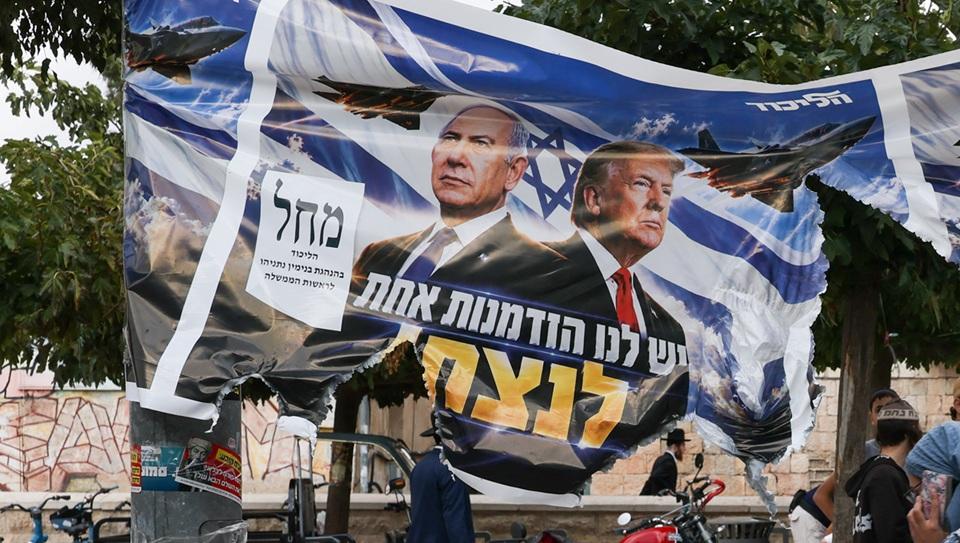
As Israel approaches its pivotal elections on Tuesday, Prime Minister Benjamin Netanyahu has issued a stark warning to Iran, suggesting that the Islamic Republic and its allies may attempt to disrupt the electoral process. Netanyahu, who is Israel's longest-serving prime minister, has been heavily campaigning on his national security credentials, emphasizing his government's military actions against Iran and its proxies. He stated, "We have intelligence signs that our enemies, Iran and its proxies, could challenge us with attacks in order to disrupt the elections," underscoring the heightened tensions in the region as the vote draws near.
Netanyahu's remarks come as part of a broader strategy to reinforce his image as a strong leader capable of safeguarding Israel against external threats. His campaign has prominently featured his role in the war initiated against Iran earlier this year in collaboration with the United States, framing it as a key part of his leadership narrative. This focus on security is particularly significant given the volatile geopolitical landscape and the historical animosity between Israel and Iran, which has been marked by military confrontations and ongoing hostilities.S1
The prime minister's warnings reflect not only the immediate concerns regarding election security but also a long-standing rivalry with Iran, which Netanyahu has consistently portrayed as a primary threat to Israel's existence. His statements aim to rally support from voters who prioritize national security, especially in the context of a tense electoral climate. With the elections imminent, the potential for Iranian interference adds an additional layer of complexity to an already charged political atmosphere in Israel.S2