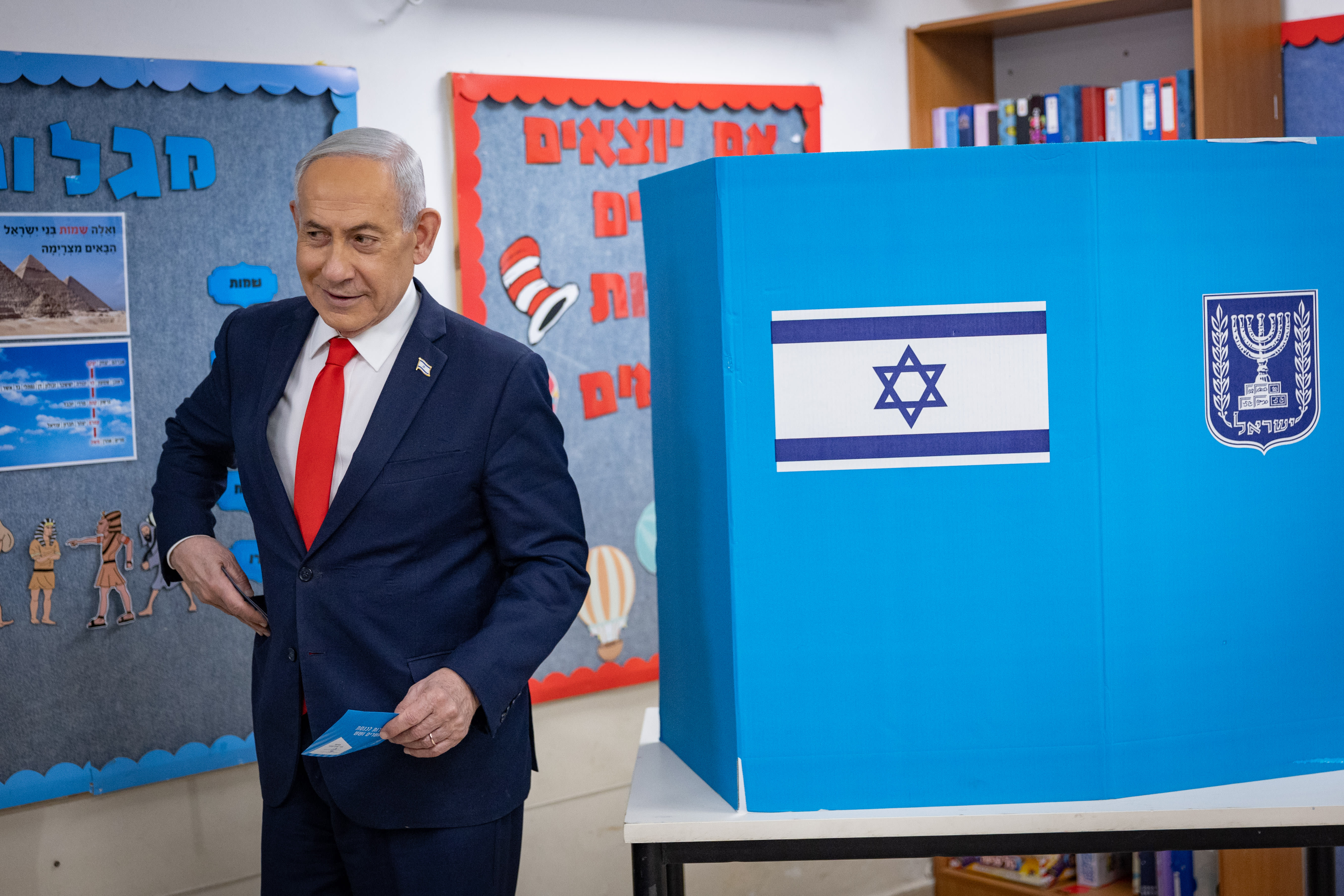
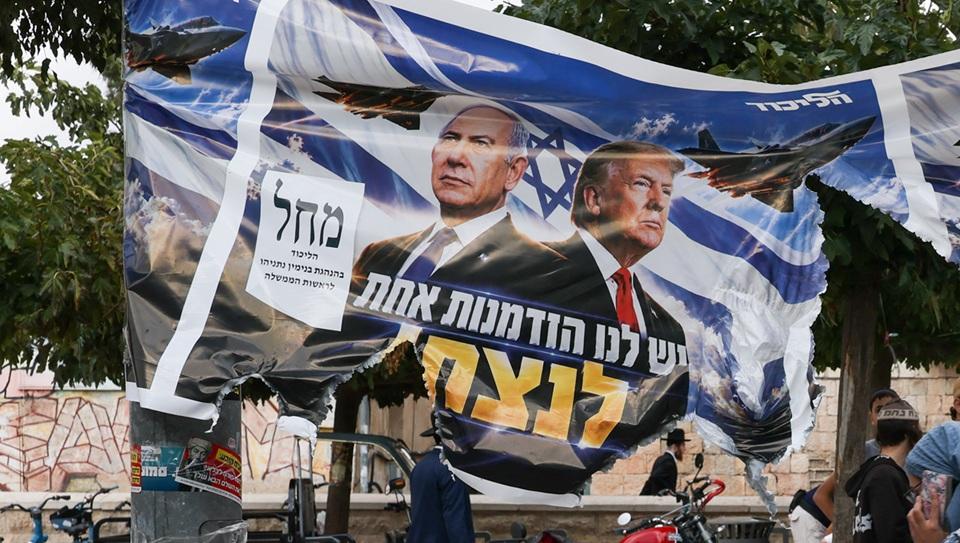
As Israel approaches its general elections next week, the potential influence of the country's Arab parties has become a focal point of political discourse. With the two major parties, Likud and the opposition, predicted to fall short of a parliamentary majority, the Arab parties could play a pivotal role in determining the balance of power. This situation arises amid rising tensions and fury within the Arab community, which has been increasingly vocal about its political aspirations and grievances against the current government led by Prime Minister Benjamin Netanyahu.
The Arab parties, which have historically been marginalized in Israeli politics, are now seen as crucial players in the upcoming vote. Their ability to sway the election results could hinge on whether the opposition parties are willing to break their election promises and form alliances with these parties. This potential shift in political dynamics reflects a growing recognition of the Arab electorate's significance in shaping Israel's future, especially as the nation grapples with internal divisions and external pressures.S1S2
As the election date draws near, the stakes are high for all parties involved. The outcome could not only impact Netanyahu's leadership but also redefine the role of Arab citizens in Israel's political landscape. With voter turnout among Arab citizens expected to be a key factor, the upcoming elections may very well serve as a litmus test for the future of Israeli democracy and the integration of its diverse populations.S1S2