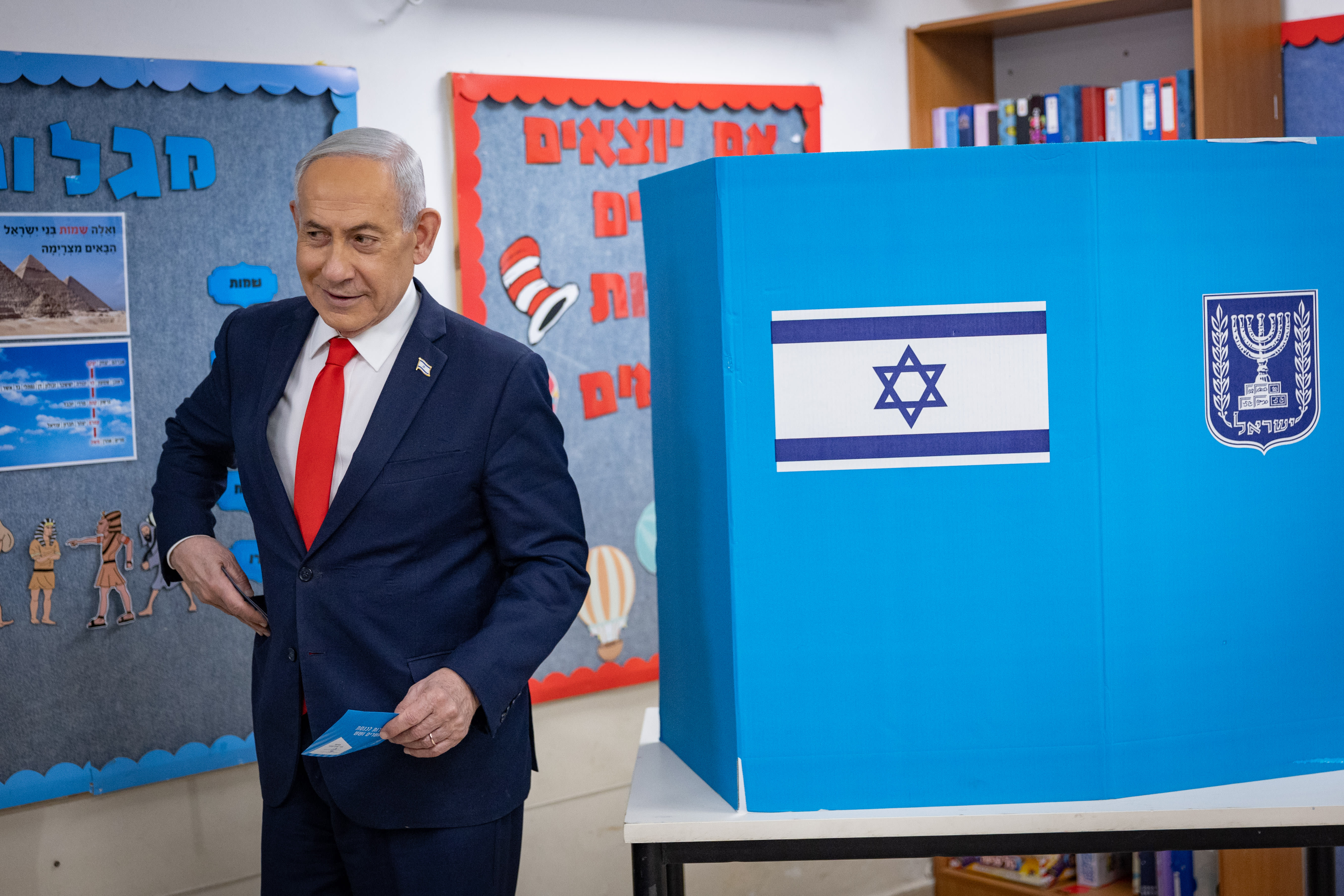
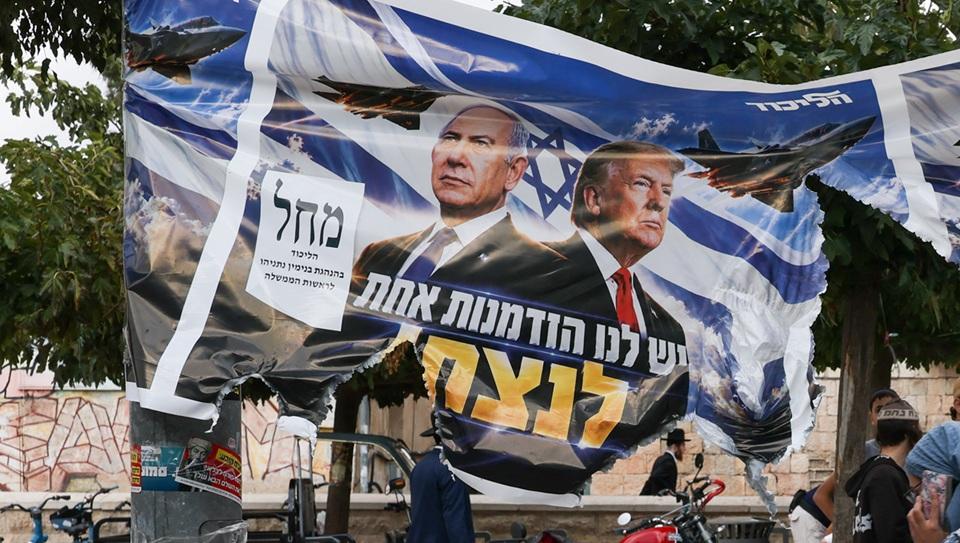
As Israelis head to the polls on Tuesday, the election is being characterized as a pivotal referendum on the leadership of Prime Minister Benjamin Netanyahu, who has been at the helm for nearly 17 years. This election comes in the wake of significant turmoil, including the October 7 attacks and ongoing conflicts in Gaza, Iran, and Lebanon, which have further polarized Israeli society. Netanyahu's controversial judicial reforms have also sparked widespread debate, adding to the stakes of this election, which many see as a direct challenge to his governance.
At 77 years old, Netanyahu faces a critical moment in his political career. A poor performance in this election could mark a bitter end to his lengthy tenure, potentially ushering in a new era in Israeli politics. The outcome is expected to reflect not only public sentiment towards Netanyahu's handling of recent crises but also broader societal divisions that have emerged during his time in office. The tight race has heightened tensions, with many voters expressing their concerns over national security and governance.S2
The election is not just about Netanyahu; it represents a broader struggle within Israeli society about its future direction. As voters prepare to cast their ballots, the implications of their choices could reverberate through Israeli politics for years to come, particularly if a significant shift occurs away from Netanyahu's long-standing leadership. With the backdrop of recent violence and political unrest, the results will be closely scrutinized, as they will determine the immediate future of Israel's political landscape and its approach to ongoing conflicts.S3