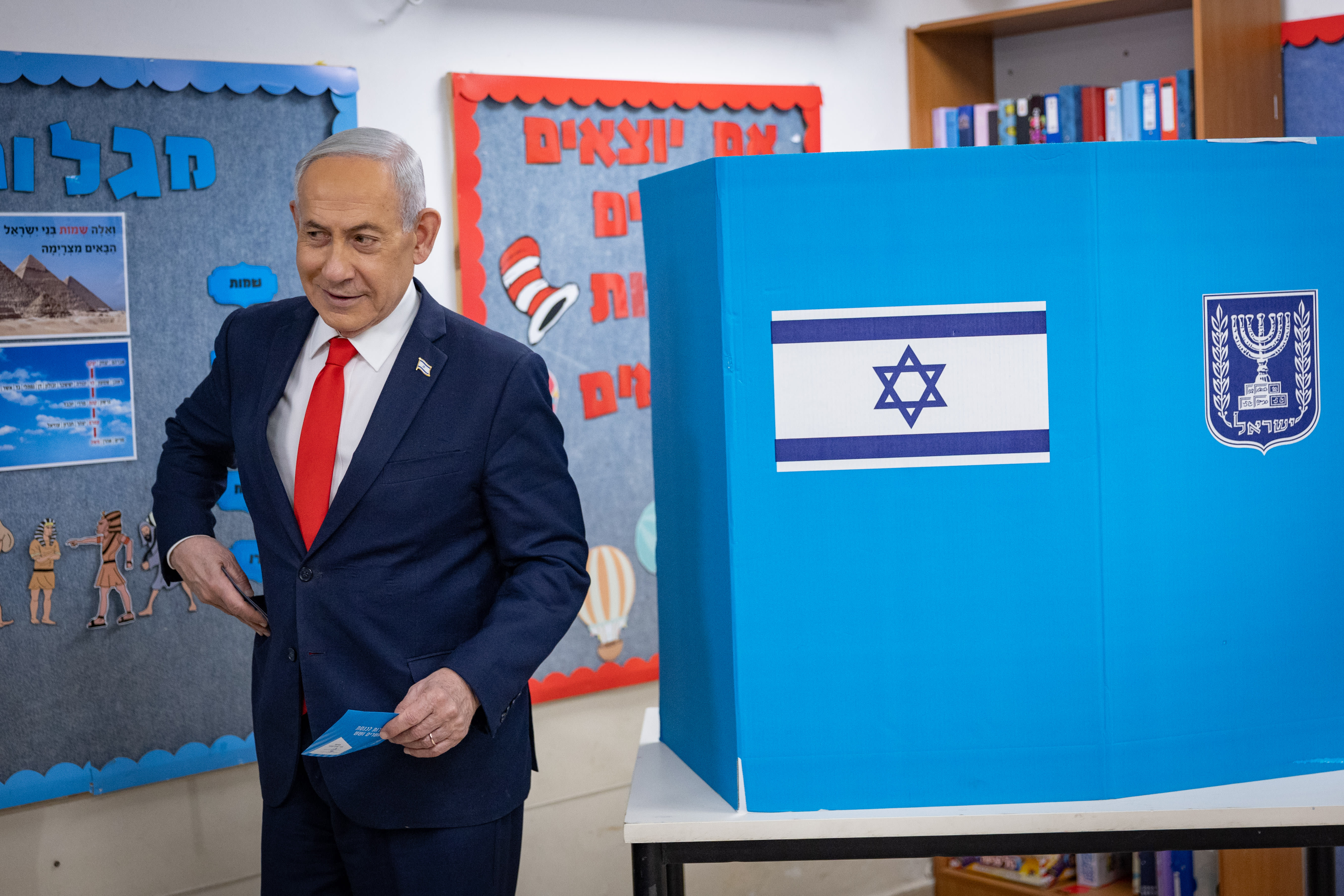
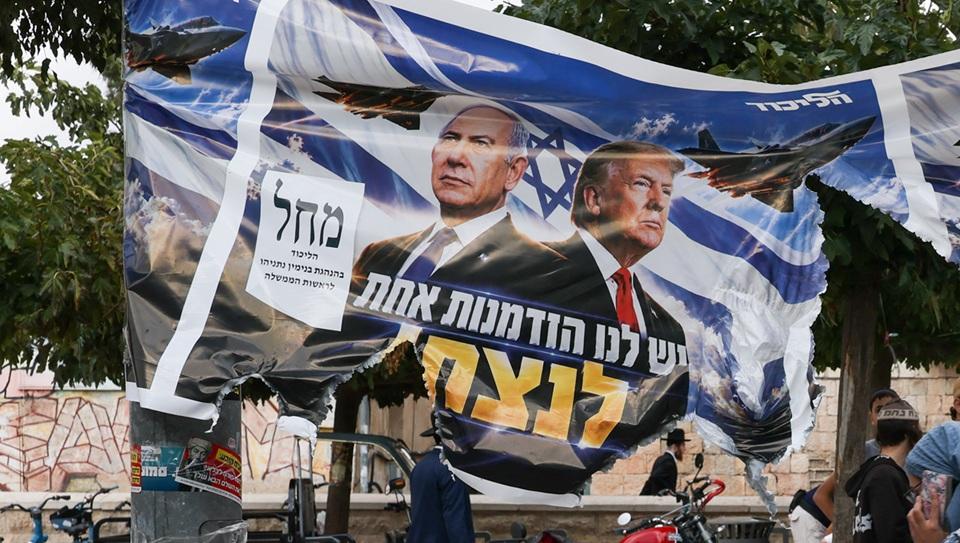
Israel is gearing up for its first elections since the Hamas-led attacks in 2023, which have significantly altered the political landscape and heightened tensions in the region. These elections are crucial as they come in the wake of a series of conflicts that have erupted since the attacks, prompting a reevaluation of key political issues and alliances within the country. Voters will be faced with critical choices that could shape both domestic policy and Israel's international relations moving forward.
The elections are expected to be highly competitive, with various political factions vying for power in a climate marked by instability. The key players include established parties as well as emerging political movements that have gained traction in response to the recent violence and its aftermath. Analysts suggest that the results of this election could have far-reaching implications not only for Israel but also for its neighbors and the broader geopolitical situation in the Middle East.S1S2
As the election date approaches, the public's sentiment remains mixed, with many expressing concerns over security and the government's handling of the ongoing conflict. The electoral process is anticipated to reflect these anxieties, as candidates address issues of national security, economic stability, and social cohesion. The outcome will likely influence Israel's approach to its relations with both Palestinian territories and other regional actors, making this election a pivotal moment in the nation's history.S1