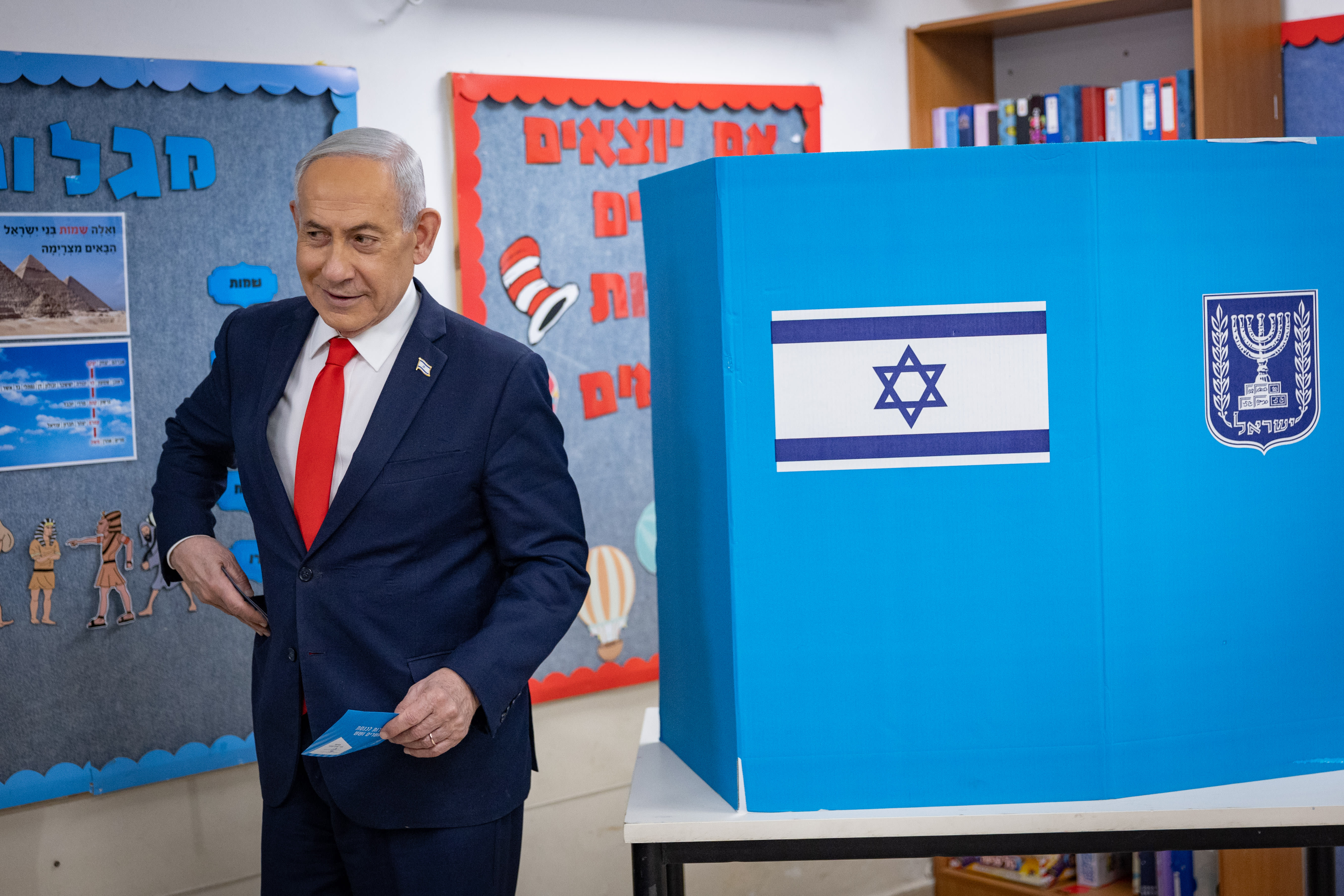
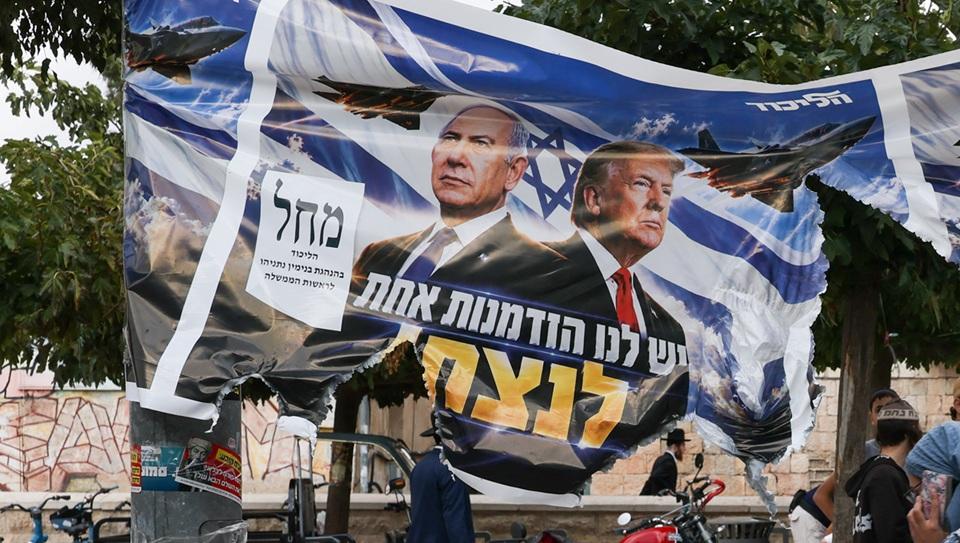
In a closely contested election, exit polls indicate that Israeli Prime Minister Benjamin Netanyahu's political bloc is projected to secure around 50 seats in the Knesset, while the opposition, led by challenger Gadi Eisenkot, is forecasted to win between 52 and 53 seats. This outcome leaves both blocs short of the majority needed to form a government, complicating the political landscape in Israel.
The Arab parties are expected to achieve a combined total of 17 to 18 seats, further complicating coalition-building efforts for both Netanyahu and Eisenkot. The results reflect a significant voter turnout, with many Israelis participating in what has been described as a pivotal election for the country's future, although the final results remain too close to call as of now.S1S3
In addition to the main contenders, the People of Israel party and the Reservist-Economic party are projected to fall short of the electoral threshold, which could impact Netanyahu's chances of forming a coalition government. The Haredi Public party is also expected to struggle, adding to the uncertainty surrounding the election's outcome.S2