The brief
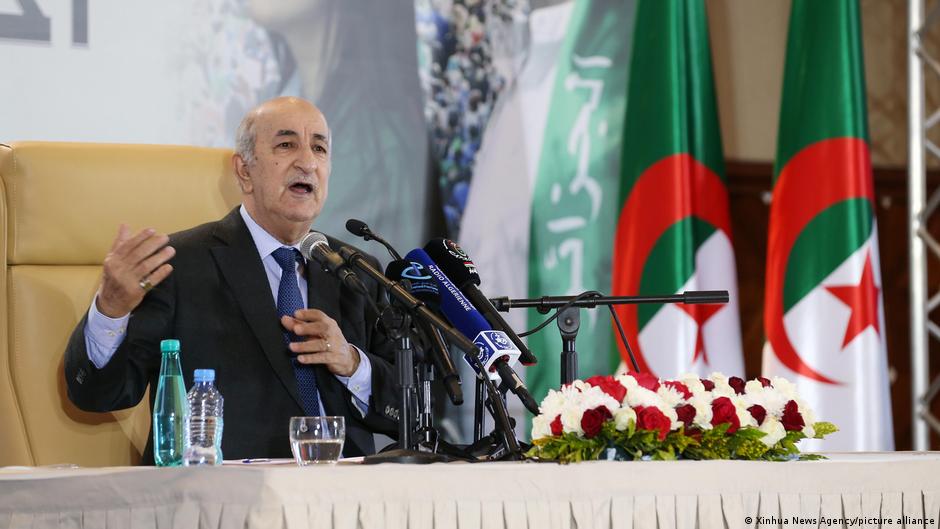
Algeria is holding a parliamentary election, raising questions about potential political change in the wake of the Hirak protests.
Context
The election occurs seven years after the Hirak protests, which called for democratic reforms in Algeria.S1S2
Key points
- The parliamentary vote is seen as a critical moment for Algeria's political landscape.S1
- There are concerns that the election may reinforce existing power structures rather than promote change.S1
- The Hirak movement has been a significant force in pushing for democratic reforms in Algeria.S2
- Voter turnout and public engagement will be closely monitored as indicators of political sentiment.S1
- The outcome of the election could influence Algeria's future governance and civil liberties.S2
- Political analysts are debating whether the election will lead to genuine reform or maintain the status quo.S1
- The international community is watching the election for signs of democratic progress in Algeria.S2
- The election results may impact Algeria's relations with other countries, particularly regarding human rights issues.S1
Why it matters
- The election is a test of the government's responsiveness to public demands for change.S1
- Outcomes could either empower reformist factions or entrench the current regime.S2
- The political climate in Algeria may affect regional stability and governance in North Africa.S1
What to watch
- Monitor voter turnout and public reactions to the election results.S1
- Watch for statements from political leaders regarding the election's legitimacy and implications.S2
- Observe any potential protests or civil actions following the election results.S1