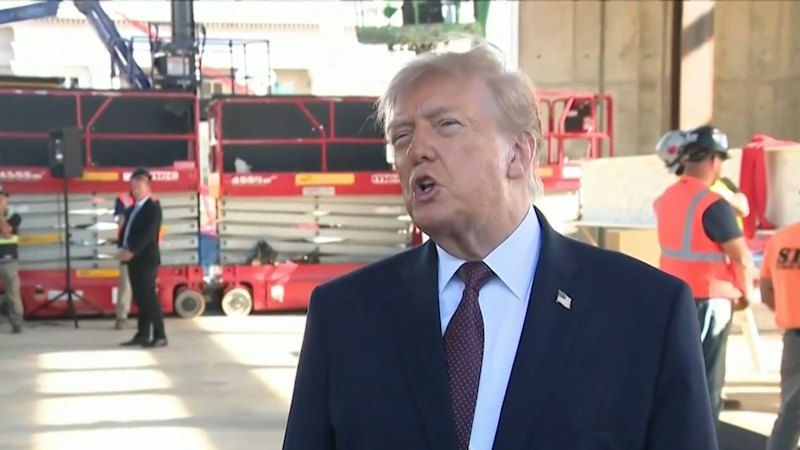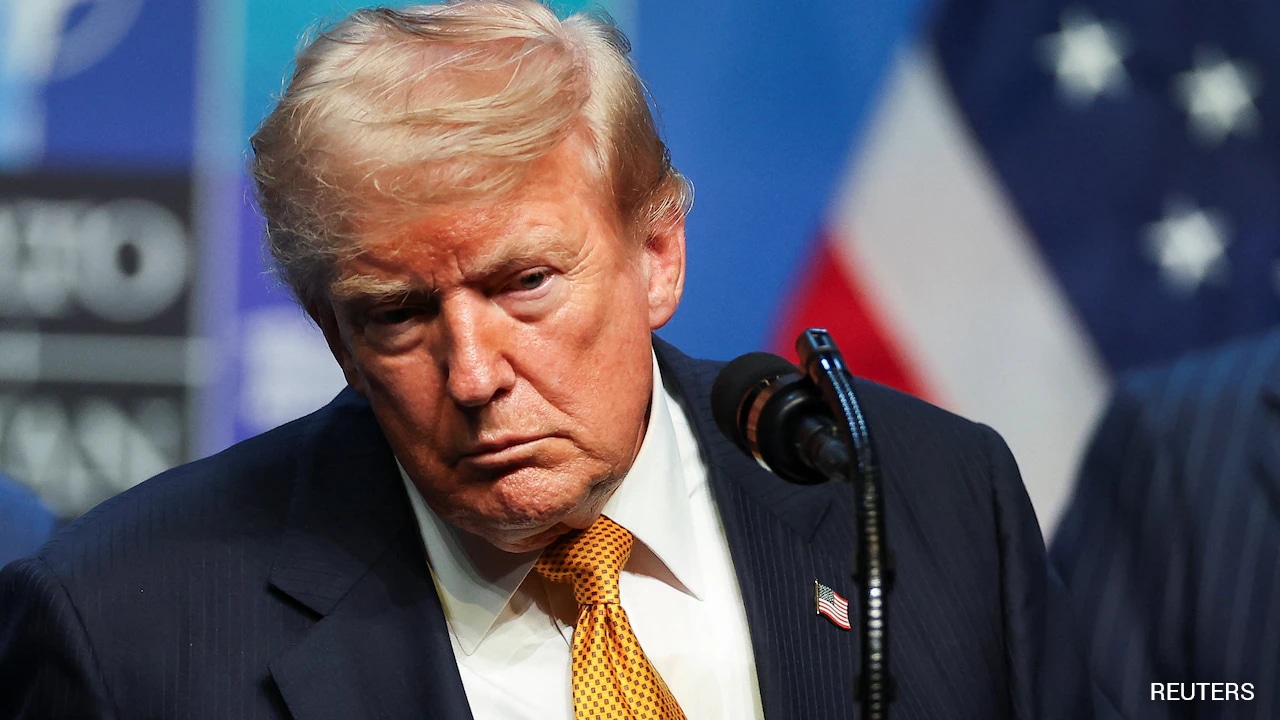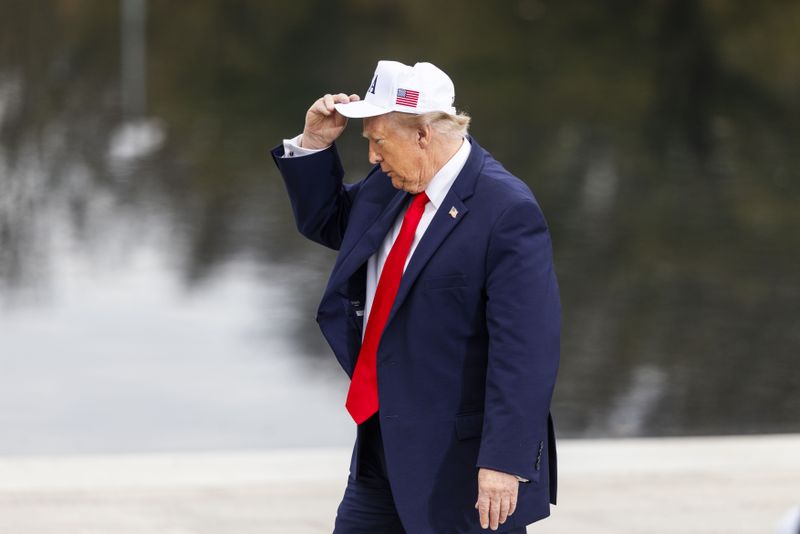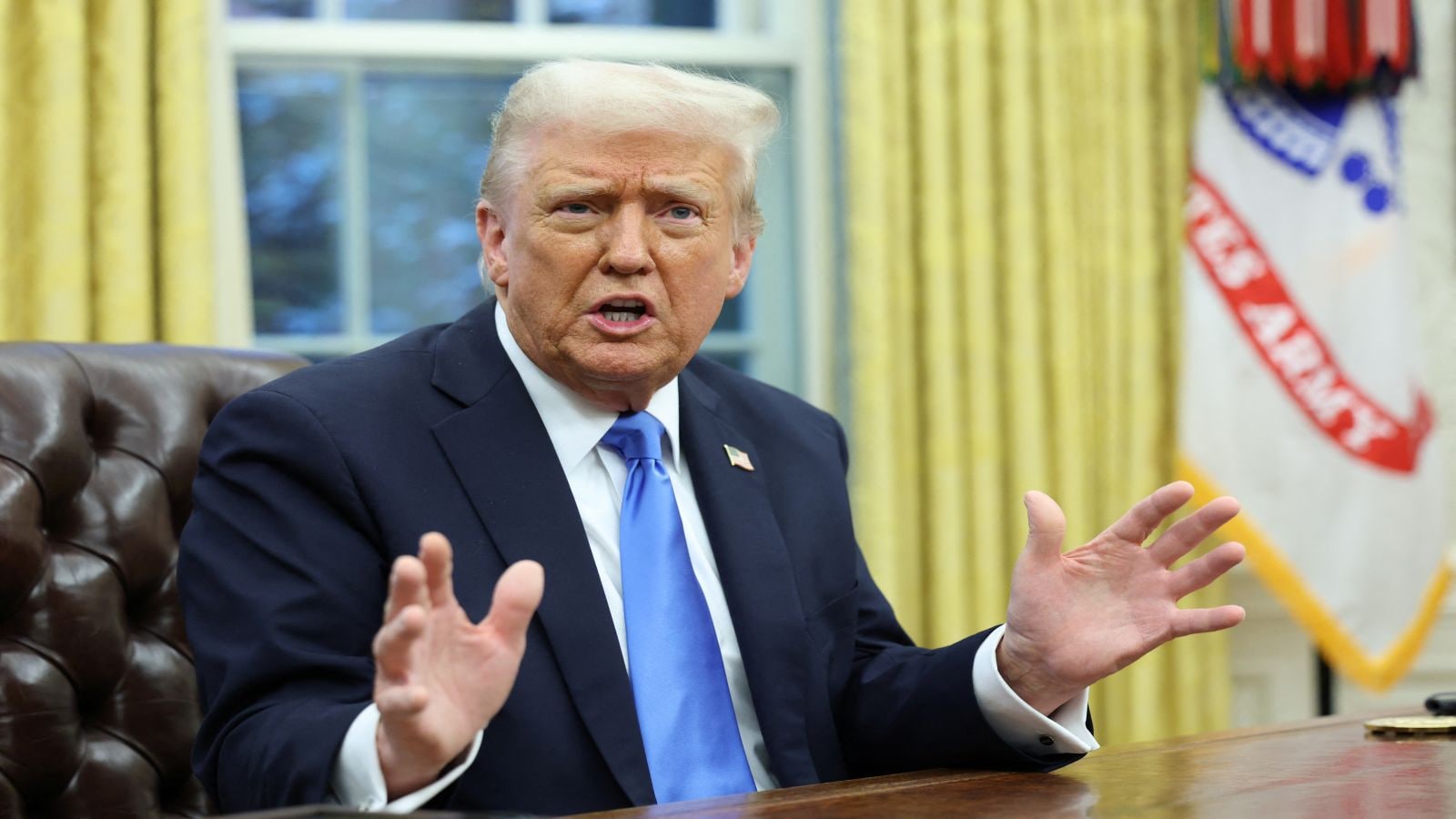
In a recent statement, US President Donald Trump openly acknowledged that the military conflict in Iran contributed to significant losses for the Republican Party in the midterm elections. He attributed this to the short-term spike in gas prices that followed the escalation of the war, which he admitted had a detrimental impact on voter sentiment. Despite recognizing the political ramifications, Trump expressed that he would make the same decision again, emphasizing the importance of preventing Iran from acquiring nuclear weapons as a priority over electoral consequences.
Trump's remarks highlight a complex intersection of foreign policy and domestic politics, where the implications of military actions resonate beyond the battlefield. He framed the conflict as a necessary measure to safeguard national security, suggesting that the long-term benefits of thwarting Iran's nuclear ambitions justify the immediate political costs. This stance reflects a broader narrative within his administration that prioritizes aggressive foreign policy strategies, even at the risk of alienating voters back home.S1S2
As the political landscape continues to evolve, Trump's insistence on the necessity of the Iran conflict could influence future Republican strategies and discussions surrounding military engagements. His comments come at a time when the party is grappling with the consequences of its recent electoral performance, and they may serve as a rallying point for those who support a hardline approach to foreign policy. The ongoing debate over the balance between national security interests and electoral viability remains a critical issue for the GOP as it prepares for upcoming elections.S1S2