The brief
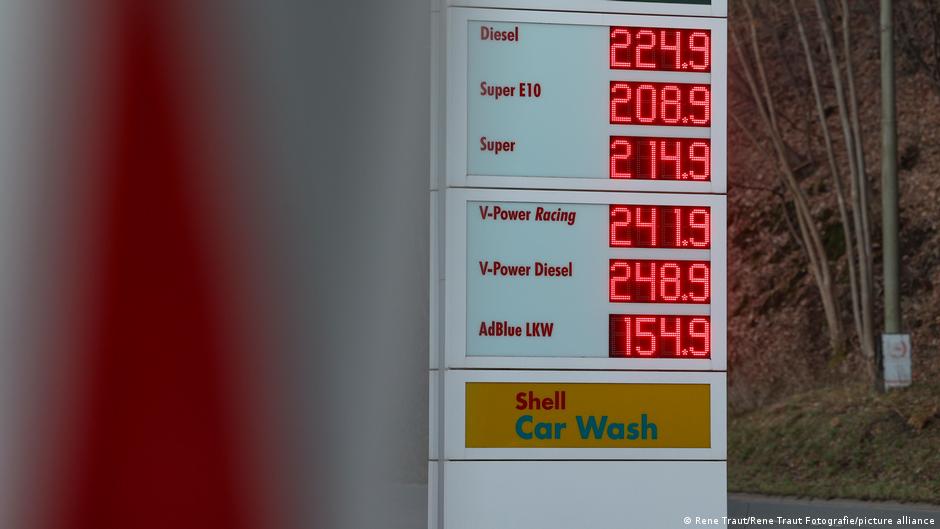
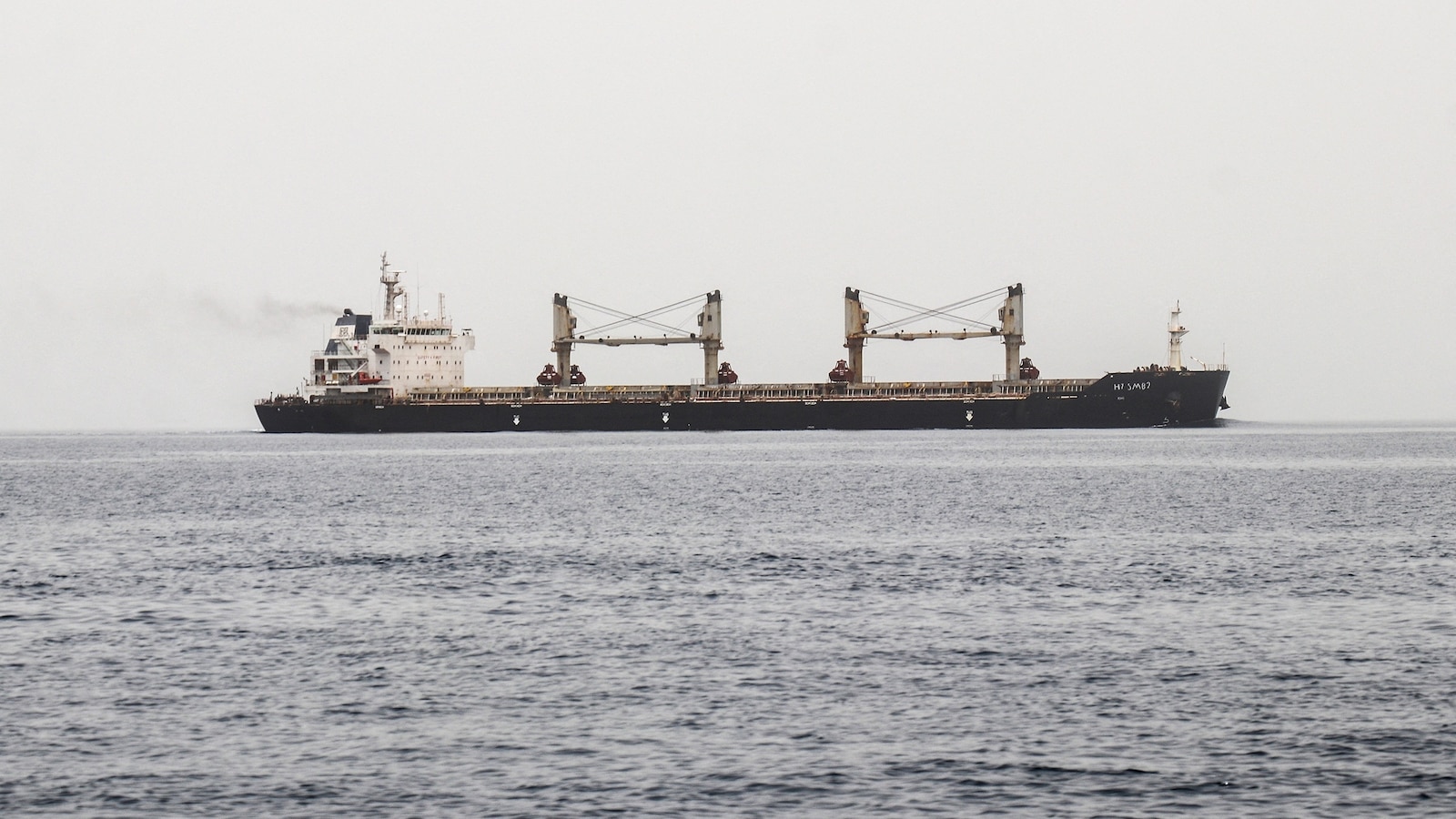
Oil prices have surged following attacks on Saudi tankers in the Red Sea, attributed to Iran's Houthi allies in Yemen.
Context
The recent escalation in the Red Sea has raised concerns about regional stability and its impact on global oil markets.S1S2
Key points
- Brent crude oil prices soared to $100 a barrel after the attacks.S1
- The Houthis claimed responsibility for strikes on two Saudi tankers.S1
- President Trump stated the U.S. would hold Iran accountable for further attacks.S1
- Secretary of State Marco Rubio commented on the Houthis being manipulated by Iran.S2
- The attacks have heightened tensions in the Middle East, particularly affecting oil supply routes.S1
- Market analysts are closely monitoring the situation for potential long-term impacts on oil prices.S1
- The U.S. administration is considering its response to the escalating conflict.S1
- Global markets reacted swiftly to the news, reflecting fears of supply disruptions.S2
Why it matters
- Rising oil prices can have significant implications for global economies, particularly those reliant on oil imports.S1
- Increased tensions in the Middle East could lead to further military engagements, affecting regional security.S2
What to watch
- Monitor U.S. responses to Iran's actions and any potential sanctions or military actions.S1
- Watch for further developments from the Houthis and their relationship with Iran.S2
- Keep an eye on global oil market reactions as the situation evolves.S1