The brief
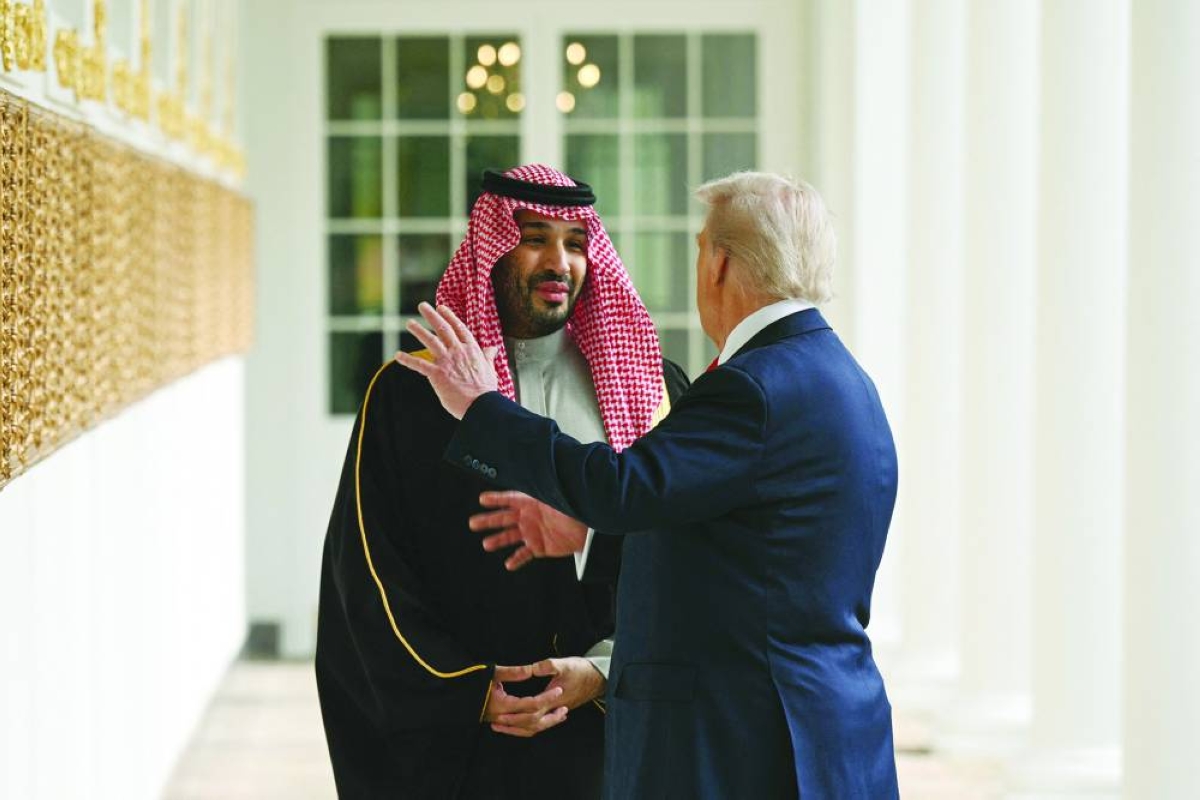
A recent agreement between the United States and Saudi Arabia to develop a civilian nuclear program has raised significant concerns regarding nuclear proliferation.
Context
The deal aims to enhance Saudi Arabia's nuclear capabilities, but it has sparked debates about potential risks associated with nuclear weapons proliferation.S1
Key points
- The U.S. plans to assist Saudi Arabia in establishing a civilian nuclear program.S1
- Critics argue that the deal could lead to nuclear weapons development in the region.S1
- There are fears that the agreement may trigger a nuclear arms race in the Middle East.S1
- The deal has prompted discussions about the adequacy of safeguards against proliferation.S1
- Former officials have expressed concerns about the implications for U.S. foreign policy.S2
- The agreement is seen as part of a broader strategy to strengthen ties with Saudi Arabia.S2
- Supporters of the deal argue it could promote stability through nuclear energy.S1
- The potential for Saudi Arabia to enrich uranium has raised alarms among international observers.S1
Why it matters
- The deal could reshape the geopolitical landscape in the Middle East.S1
- Concerns about nuclear proliferation could impact U.S. relations with other countries in the region.S2
- The agreement may influence global non-proliferation efforts and treaties.S1
What to watch
- Monitor reactions from other Middle Eastern countries regarding the nuclear deal.S1
- Watch for developments in U.S. legislative discussions about the agreement.S2
- Keep an eye on international responses from nuclear watchdog organizations.S1