The brief
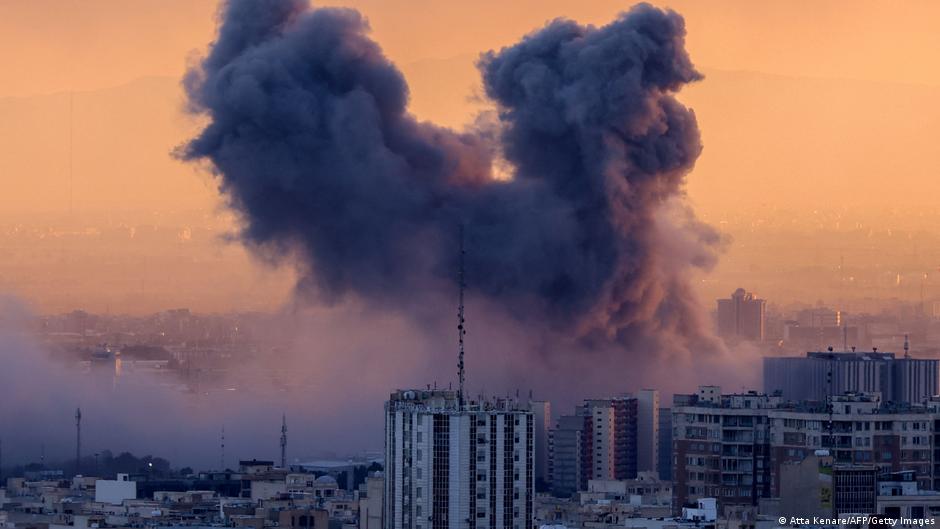
Oil prices have fallen significantly as the United States pauses its military strikes on Iran, leading to reduced fears of escalating conflict in the region.
Context
The pause in US strikes is seen as a measure to prevent further escalation in the ongoing tensions between the US and Iran, particularly concerning the Strait of Hormuz, a critical passage for global oil supply.S1S2
Key points
- Brent crude oil prices dropped by 6%, falling below $91 a barrel.S1
- The decline in oil prices is attributed to traders' expectations of reduced conflict in the region.S1
- Shares in major energy firms like BP and Shell also experienced a decline on the FTSE 100.S1
- The US and Iran have not launched attacks for two consecutive nights, indicating a temporary pause in hostilities.S2
- Mediators are actively working to prevent a return to full-blown war between the two nations.S2
- Futures prices had reached $100 last week, highlighting the volatility in the oil market.S1
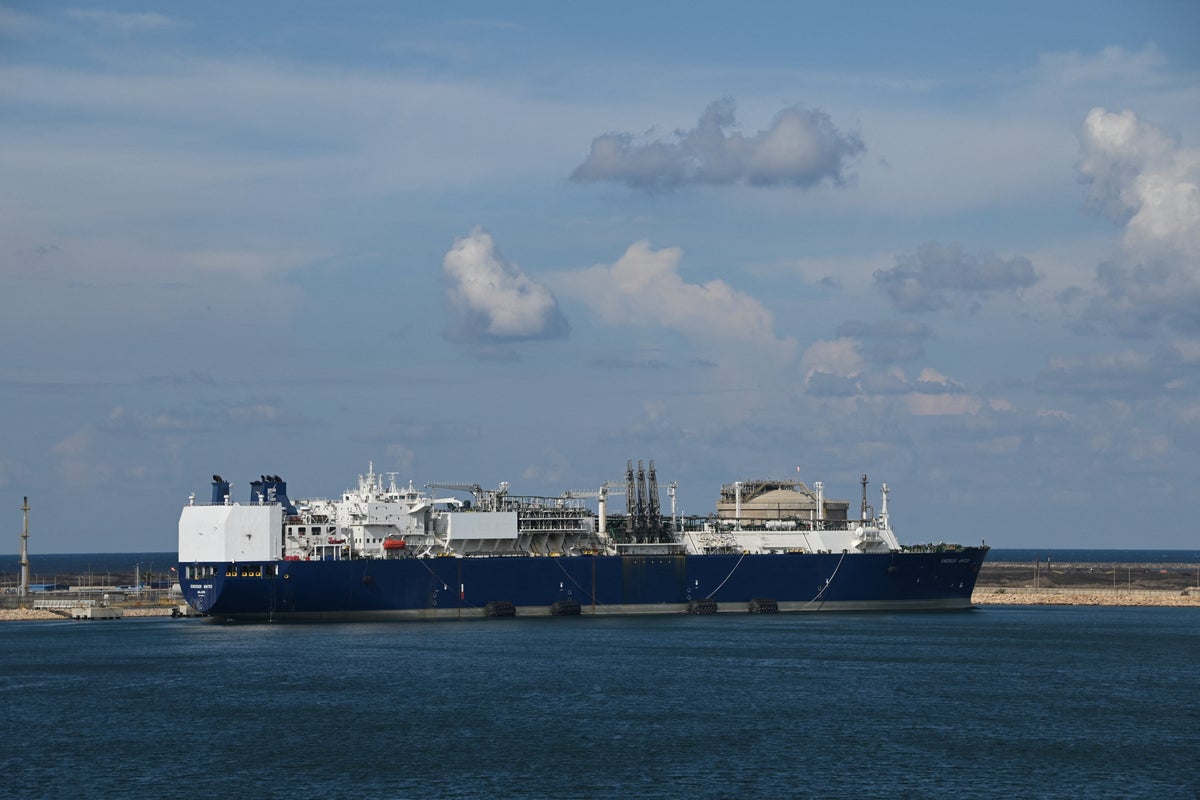
- The Strait of Hormuz is a vital route for oil transportation, making stability in the region crucial for global supply.S2
- Market reactions suggest that geopolitical tensions significantly influence oil pricing.S1
Why it matters
- Fluctuations in oil prices can impact global economies, particularly those reliant on oil imports.S1
- A stable oil market is essential for energy firms and can affect stock market performance.S1
- The situation in the Strait of Hormuz is critical for international trade and energy security.S2
What to watch
- Monitor developments in US-Iran relations and any potential military actions.S2
- Watch for further changes in oil prices as the situation evolves.S1
- Keep an eye on the responses from energy firms and their stock performance in the market.S1