The brief
Tensions escalate as Israel intensifies military operations against Iran and Lebanon, while U.S. officials signal a shift in sanctions policy.
Context
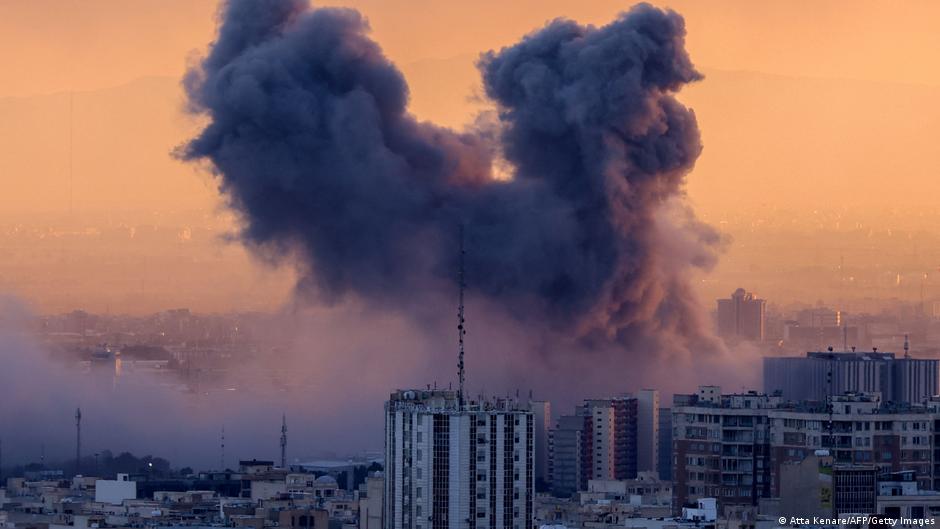
The ongoing conflict has seen Israel conducting strikes on key targets in Tehran and Beirut, raising concerns about regional stability.S2
Key points
- Trump stated he opposes a ceasefire in the conflict, claiming significant military success against adversaries.S1
- Israeli military operations have focused on regime targets in Tehran and have expanded to include strikes in Beirut.S2
- The U.S. has temporarily eased sanctions on certain Iranian oil, indicating a potential shift in its approach to the conflict.S2
- Trump's comments reflect a hardline stance, emphasizing military action over diplomatic solutions.S1
- The strikes on Iran and Lebanon are part of Israel's broader strategy to counter perceived threats from Iranian influence in the region.S2
- The situation remains fluid, with ongoing military actions and diplomatic discussions influencing the conflict's trajectory.S2
- The easing of U.S. sanctions may impact Iran's economic situation and its response to Israeli actions.S2
- International reactions to the conflict and U.S. policy changes could further complicate the geopolitical landscape.S1S2
Why it matters
- The conflict's escalation poses risks to regional stability and could lead to broader military confrontations.S2
- U.S. policy shifts may affect Iran's economic resilience and its military strategies in response to Israeli actions.S2
- Trump's stance could influence U.S. foreign policy and its relationships with allies in the region.S1
What to watch
- Monitor developments in U.S.-Iran relations, particularly regarding sanctions and military engagements.S2
- Watch for potential responses from Iran following the Israeli strikes and U.S. policy changes.S2