The brief
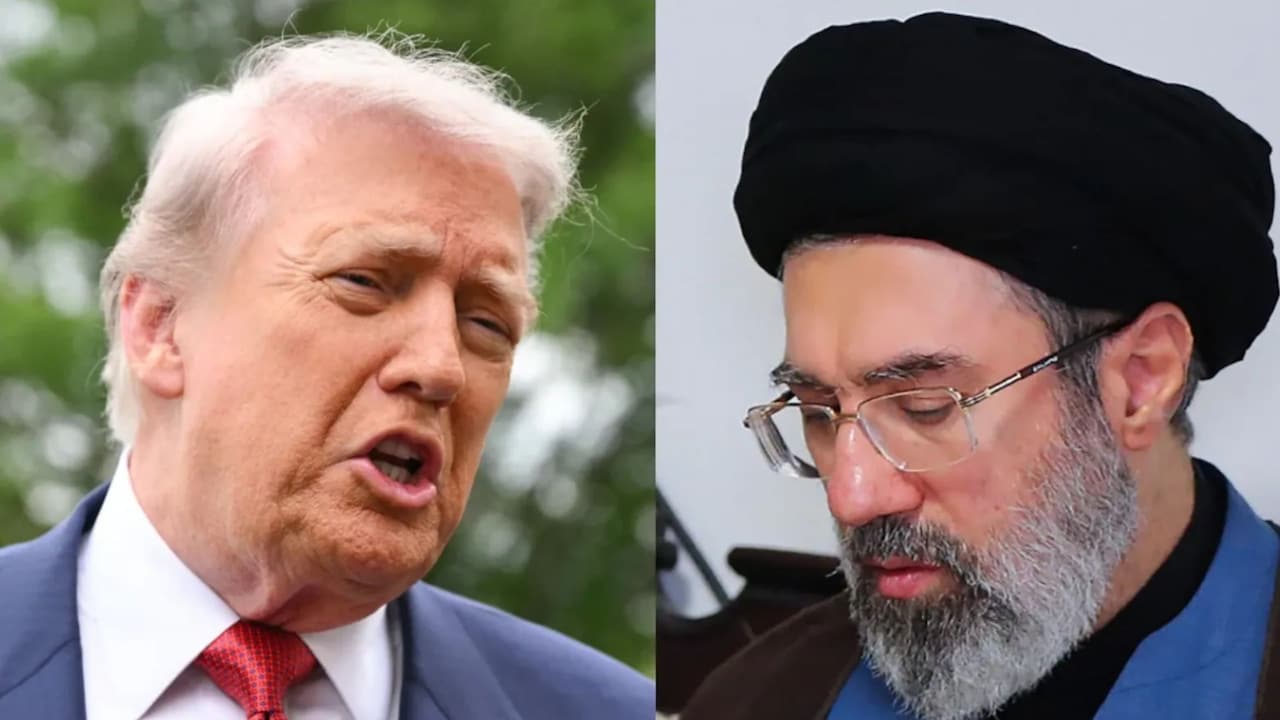
US President Donald Trump has postponed his threat to bomb Iran's energy infrastructure, suggesting that Tehran is interested in negotiating a deal with Washington.
Context
The situation between the US and Iran has been tense, with military threats exchanged in recent months. Trump's recent comments indicate a shift in approach, moving from aggressive rhetoric to a more diplomatic stance.S1S2
Key points
- Trump claims Tehran wants to negotiate a deal with Washington.S1S2
- The postponement of the bombing threat marks a significant change in Trump's strategy.S1S2
- Trump's comments were made during a press conference in Memphis.S3
- The US-Iran relationship has been characterized by hostility and conflict.S1S2
- Negotiations could potentially lead to a de-escalation of tensions in the region.S1S2
- Trump's approach may influence other international relations in the Middle East.S1S2
- The postponement may reflect internal or external pressures on the Trump administration.S1S2
- Public and political reactions to Trump's statements could shape future policy decisions.S1S2
Why it matters
- A shift towards negotiation could reduce the risk of military conflict in the region.S1S2
- Diplomatic efforts may open pathways for addressing broader issues between the US and Iran.S1S2
- The outcome of these negotiations could impact global oil markets and security dynamics.S1S2
What to watch
- Monitor any official responses from Tehran regarding Trump's claims.S1S2
- Watch for potential changes in US military posture in the region following this announcement.S1S2
- Keep an eye on reactions from other Middle Eastern countries to the evolving US-Iran relationship.S1S2