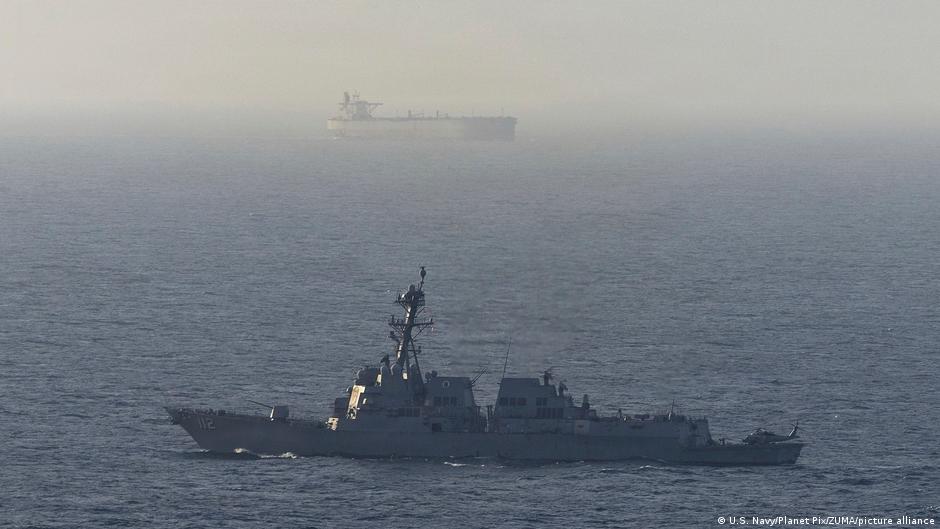
The brief
The Strait of Hormuz serves as a vital chokepoint for global trade, particularly in oil, and is characterized by its unique geographical and political significance.
Context
The Strait of Hormuz is not only crucial for oil transport but also represents a single point of failure in globalized production systems.S1
Key points
- The Strait of Hormuz is a key maritime route for oil shipments.S1
- It is often described as a point of vulnerability in global trade.S1
- The region has a history of geopolitical tensions affecting trade.S2
- An Omani exclave near the strait highlights the area's rugged isolation.S2
- The duality of the region includes both isolation and strategic importance.S2
- The strait's significance extends beyond oil to broader economic implications.S1
- Local communities are influenced by the geopolitical dynamics of the strait.S2
- The Strait of Hormuz has been a focal point in discussions about maritime security.S1
Why it matters
- Disruptions in the Strait of Hormuz could have global economic repercussions.S1
- Understanding the strait's role is essential for assessing international trade security.S1
- The region's stability is crucial for energy markets worldwide.S1
What to watch
- Monitor developments in regional security that may impact the strait.S2
- Watch for changes in trade policies affecting oil transport through the strait.S1
- Keep an eye on local community responses to geopolitical tensions.S2