The brief
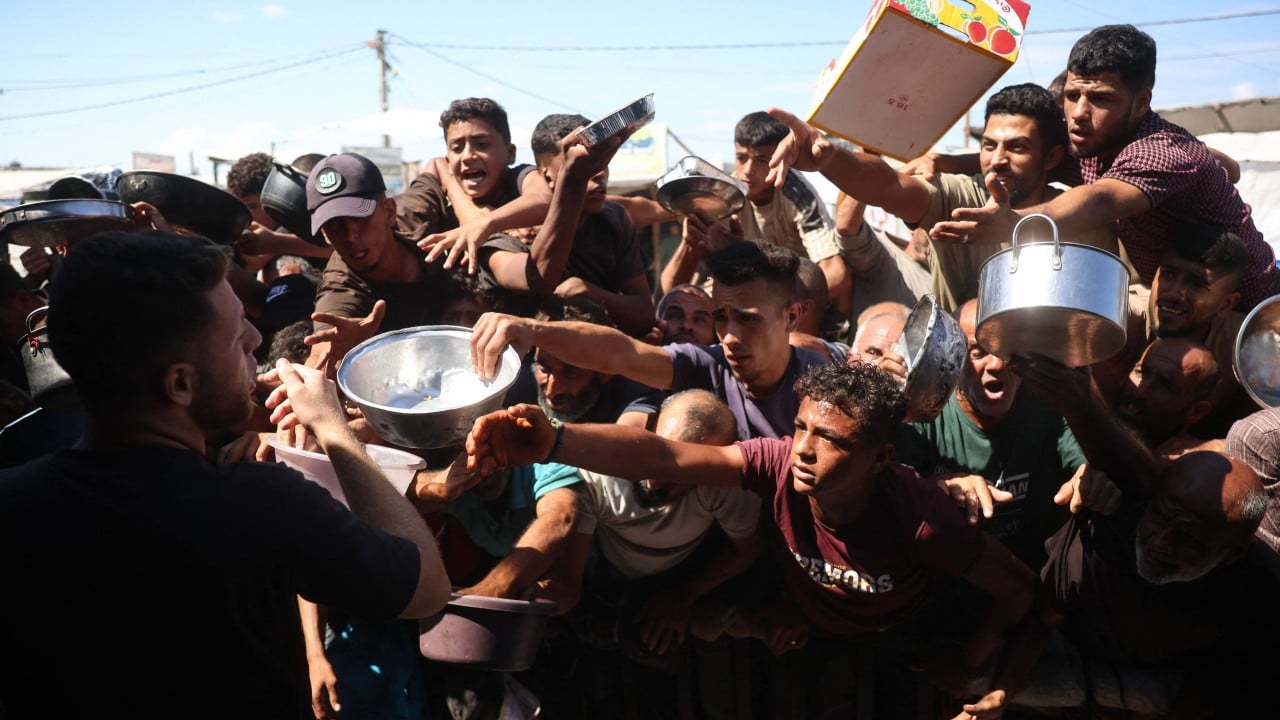
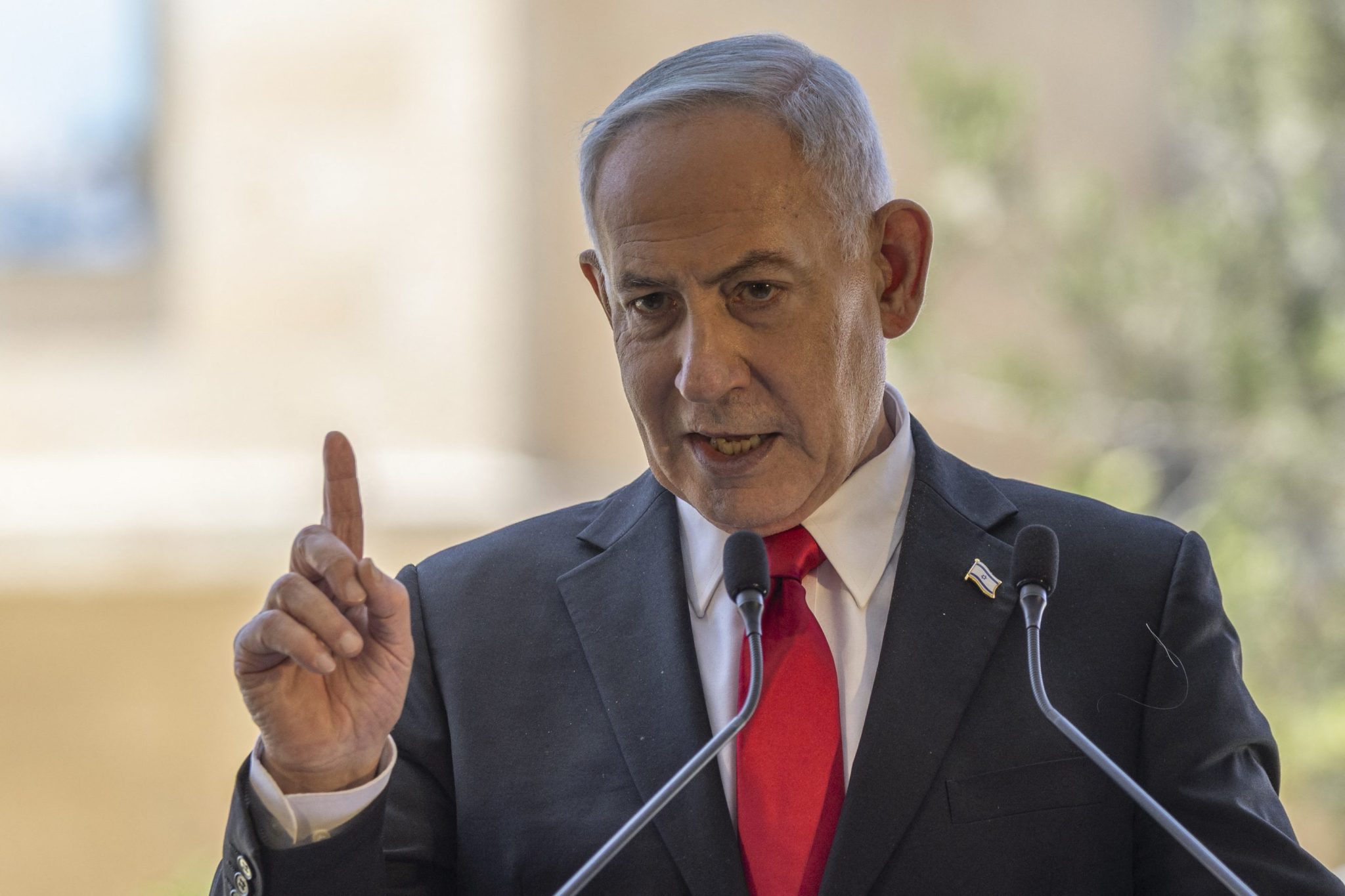
Israel's Prime Minister has firmly rejected a proposal from former President Trump aimed at disarming Hamas, emphasizing the need for genuine disarmament before any military withdrawal.
Context
The proposal, part of a U.S.-brokered framework, has been met with resistance from Israeli leadership, who prioritize security concerns over diplomatic negotiations.S1S2
Key points
- Hamas expressed willingness to advance to the second stage of the U.S. framework.S1
- Netanyahu stated that the Israeli Defense Forces (IDF) will not withdraw until Hamas is genuinely disarmed.S2
- The Israeli government continues to prioritize thwarting threats against its citizens.S2
- Netanyahu's rejection highlights ongoing tensions between Israel and Hamas.S1
- The U.S. is being called upon to exert pressure on Israel regarding the proposal.S1
- The situation reflects broader challenges in achieving peace in the region.S1
- Israeli leadership remains skeptical of Hamas's commitment to disarmament.S2
- The rejection of the proposal may impact future U.S.-Israel relations.S1
Why it matters
- The rejection of the disarmament proposal underscores the complexities of Middle Eastern diplomacy.S1
- Continued military operations by Israel could escalate tensions in the region.S2
- The stance taken by Israel may influence U.S. foreign policy in the area.S1
What to watch
- Monitor any shifts in U.S. diplomatic efforts regarding Israel and Hamas.S1
- Watch for responses from Hamas following Israel's rejection of the proposal.S1
- Observe potential changes in Israeli military strategy in response to ongoing threats.S2