The brief
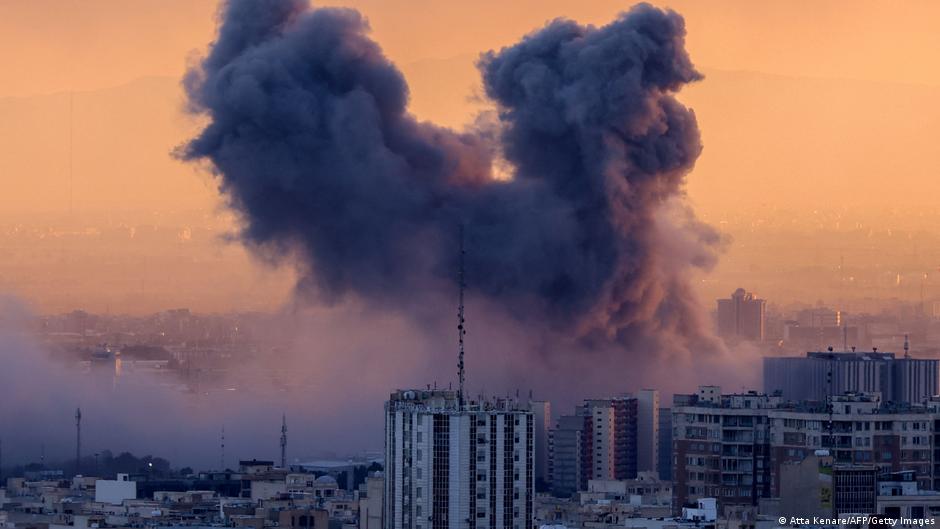
A fragile cease-fire between the US, Israel, and Iran continues, despite escalating violence in Lebanon and uncertainty in the Strait of Hormuz.
Context
The cease-fire has entered its second day, providing a temporary halt to hostilities in the region.S1S2
Key points
- No oil and gas tankers have crossed the Strait of Hormuz since the truce took effect.S1
- Hezbollah reported firing rockets at Israel early Thursday, indicating ongoing tensions.S1
- Israel has intensified its bombardment in Lebanon, marking its heaviest strikes yet.S2
- The truce is described as fragile, with significant risks of escalation.S2
- The cease-fire aims to reduce hostilities between the involved nations.S2
- The Strait of Hormuz remains a critical point for oil transport, currently inactive.S1
- The conflict in Lebanon is a significant factor influencing the cease-fire's stability.S2
Why it matters
- The cease-fire impacts regional stability and international oil markets.S1
- Increased violence in Lebanon could jeopardize the truce and escalate the conflict further.S2
What to watch
- Monitor developments in the Strait of Hormuz for potential impacts on global oil supply.S1
- Watch for further military actions from Israel and Hezbollah in Lebanon.S2
- Observe how the US and Iran respond to the ongoing tensions and cease-fire conditions.S2