The brief
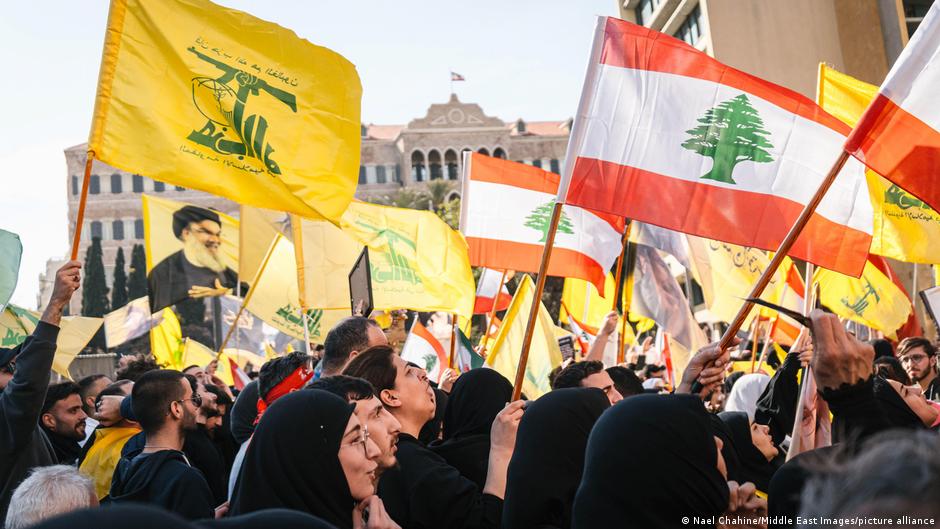
In Lebanon, discussions are intensifying regarding claims that Israel intervened to prevent a coup against the government by bombing Beirut. This controversy highlights the deep divisions within the country as talks between Israel and Lebanon commence.
Context
The narrative surrounding Israel's military actions and their implications for Lebanese politics has sparked significant debate among locals, reflecting the complex political landscape in Lebanon.S1S2
Key points
- Claims suggest Israel's bombing of Beirut was a preventive measure against a coup.S1S2
- Local opinion is divided on the validity of the coup narrative.S1S2
- The situation is exacerbated by ongoing tensions between Israel and Lebanon.S1S2
- Discussions about the alleged coup reflect broader political divisions in Lebanon.S1S2
- The debate coincides with the beginning of Israel-Lebanon talks.S1S2
- Some locals view the coup narrative as a distraction from pressing issues.S1S2
- The controversy raises questions about the reliability of information in the region.S1S2
- Media coverage plays a significant role in shaping public perception of the events.S1S2
Why it matters
- Understanding the narrative around the alleged coup is crucial for assessing Lebanon's political stability.S1S2
- The debate reflects the broader geopolitical tensions in the Middle East.S1S2
- Public perception of Israel's actions can influence future diplomatic relations.S1S2
What to watch
- Monitor developments in Israel-Lebanon talks for potential impacts on regional stability.S1S2
- Watch for further local reactions to the coup narrative as discussions progress.S1S2
- Keep an eye on media coverage and its influence on public opinion in Lebanon.S1S2