The brief
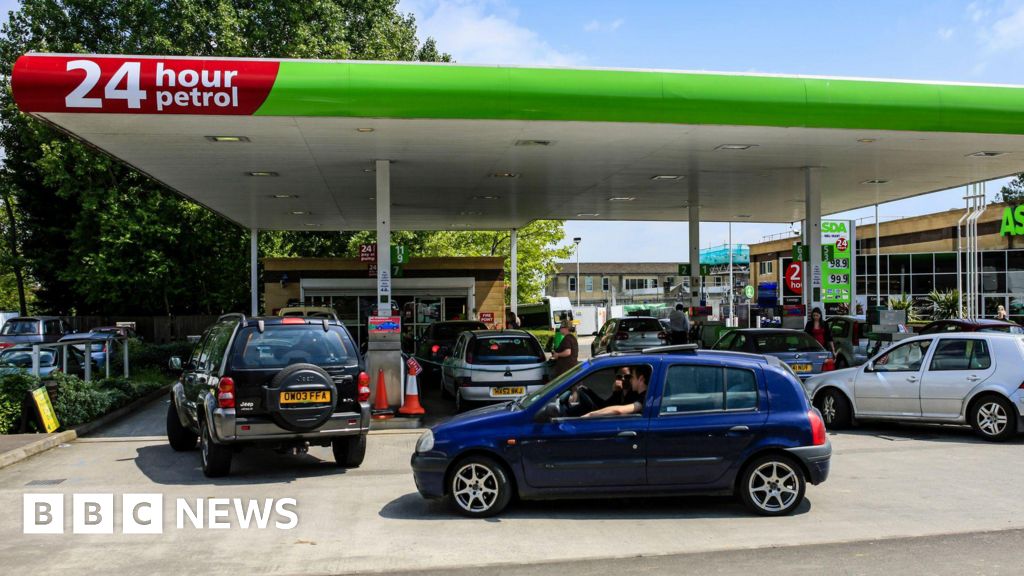
UK inflation has increased, primarily driven by a significant rise in fuel prices following the recent conflict involving Iran.
Context
The inflation rate in the UK rose in March, influenced by external geopolitical events.S1S2
Key points
- UK inflation climbed to 3.3% in March, up from 3% in February.S2
- This rise in fuel prices is the largest seen in over three years.S2
- The inflation increase aligns with economists' expectations.S2
- Air fares also contributed to the overall inflation increase.S2
- The rise in inflation reflects broader economic pressures linked to global events.S1
- Fuel price increases are a significant concern for consumers and businesses alike.S1
Why it matters
- Rising inflation can affect consumer purchasing power and economic stability.S1
- Increased fuel prices can lead to higher costs for goods and services across the economy.S2
- Understanding inflation trends is crucial for policymakers and economists.S1
What to watch
- Monitor how ongoing geopolitical tensions may further impact fuel prices.S1
- Watch for potential government responses to rising inflation rates.S2
- Keep an eye on consumer sentiment as inflation affects spending habits.S1
