The brief
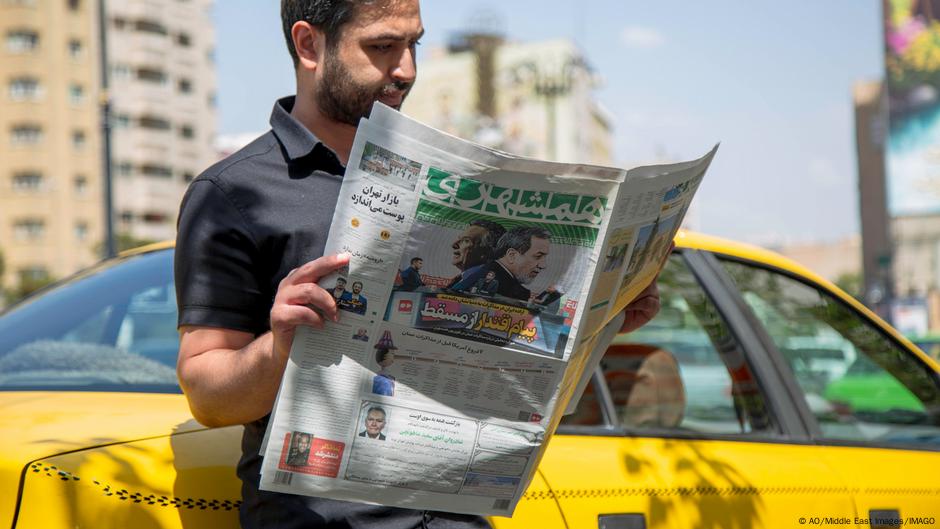
Iran's government is tightening its grip on the media, viewing the truth as a security threat, which has led to a more repressive environment for journalists.
Context
The current situation in Iran reflects a broader trend of increasing censorship and control over information, particularly in the context of ongoing conflicts.S1S2
Key points
- Authorities are intensifying restrictions on journalists and media outlets.S1
- The crackdown is part of a broader strategy to control narratives around conflicts.S2
- Journalists face severe consequences for reporting that contradicts official narratives.S1
- The environment for independent journalism has become increasingly hostile.S2
- Information is being strictly controlled, creating an information vacuum.S1
- The government perceives truthful reporting as a potential threat to its stability.S2
- Many journalists are forced to self-censor to avoid repercussions.S1
- The situation raises concerns about the future of press freedom in Iran.S2
Why it matters
- The repression of journalists limits public access to information, impacting civil society.S1
- An information vacuum can lead to misinformation and increased public distrust.S2
What to watch
- Monitor developments in Iran's media landscape and any potential international responses.S1
- Watch for changes in the government's approach to handling dissent and media.S2