The brief
Tensions between the U.S. and Iran continue as President Trump reviews a new Iranian proposal to end the ongoing conflict, amidst skepticism from U.S. officials regarding its viability.
Context
The situation has escalated significantly since the onset of the war, with both nations exchanging strong rhetoric and proposals.S1S2
Key points
- Senator Jack Reed expressed concerns about the U.S. position with Iran, stating it is worse since the war began.S1
- Iran has submitted a 14-point proposal to the U.S. aimed at ending the war.S2
- The proposal includes demands for guarantees of nonaggression and sanctions relief.S2
- Tehran is also calling for the lifting of a naval blockade as part of the proposal.S2
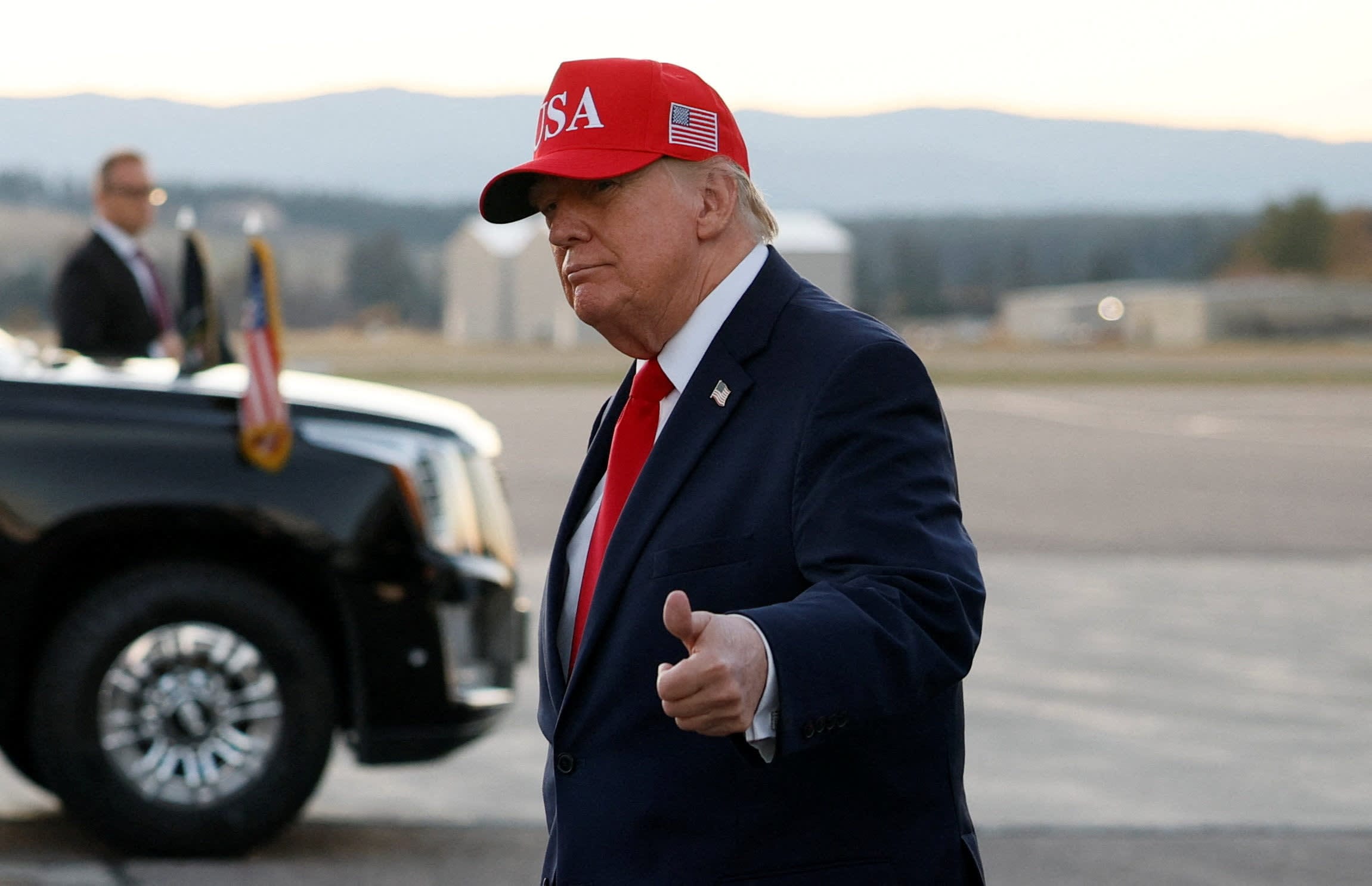
- President Trump has indicated he will review the Iranian proposal but remains doubtful about its potential for a deal.S2
- The proposal seeks an end to the war on all fronts, including in Lebanon.S2
- The exchange of proposals comes amid heightened tensions and escalated rhetoric between the two nations.S1S2
- Senator Reed's comments reflect a broader concern among U.S. officials regarding the lack of a clear strategy in dealing with Iran.S1
Why it matters
- The ongoing conflict has significant implications for regional stability and U.S. foreign policy.S1
- Iran's proposal could represent a potential pathway to de-escalation, though skepticism remains high.S2
- The situation underscores the complexities of negotiating peace in a highly volatile environment.S1S2
What to watch
- Monitor responses from U.S. officials regarding the review of Iran's proposal.S2
- Keep an eye on potential reactions from regional allies and adversaries in response to the ongoing negotiations.S1