The brief
As the 2026 World Cup approaches, India and China, the world's two most populous countries, are yet to secure broadcasting agreements, raising concerns about FIFA's approach to these markets.
Context
The lack of broadcasting deals in India and China highlights FIFA's challenges in negotiating with markets where football does not dominate as a sport.S1S2
Key points
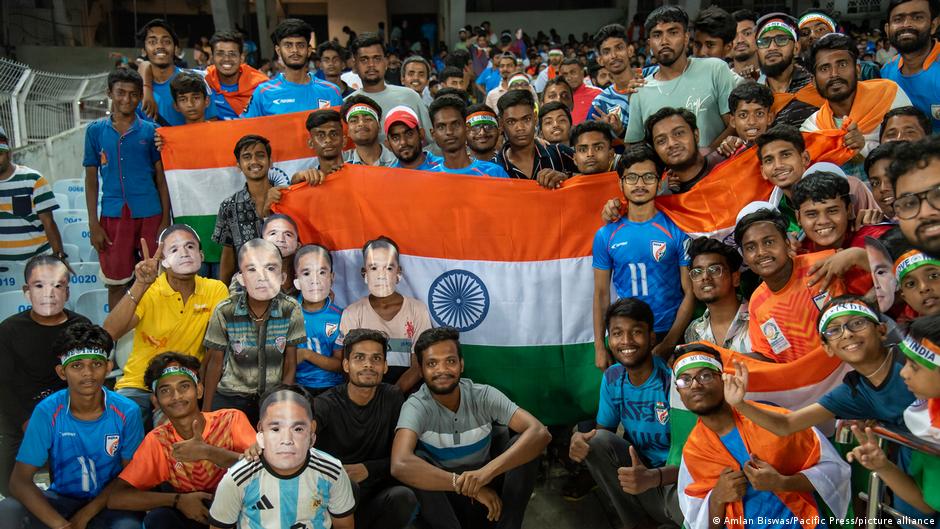
- India has a significant number of football fans, but the sport does not dominate the market.S1
- FIFA's broadcasting demands may be too high for the current market conditions in these countries.S1
- China, like India, is also without a broadcasting deal for the upcoming World Cup.S1
- The absence of agreements could impact viewership and revenue for FIFA.S1
- Negotiations for broadcasting rights are ongoing as the tournament date approaches.S1
- FIFA's strategy in these populous markets is being questioned by industry observers.S1
- The situation reflects broader issues in sports broadcasting and market expectations.S1
- Both countries represent significant potential audiences for the World Cup.S1
Why it matters
- The lack of broadcasting deals could limit FIFA's revenue from one of the largest global sporting events.S1
- Understanding market dynamics in India and China is crucial for FIFA's future strategies.S1
- The situation may influence how FIFA approaches negotiations in emerging markets moving forward.S1
What to watch
- Monitor developments in broadcasting negotiations as the World Cup date nears.S1
- Watch for reactions from fans and stakeholders in India and China regarding the lack of coverage.S1
- Observe how FIFA adjusts its strategies in response to these challenges in the future.S1