The brief
The Eurovision Song Contest final is facing significant protests and a boycott related to Israel's participation.
Context
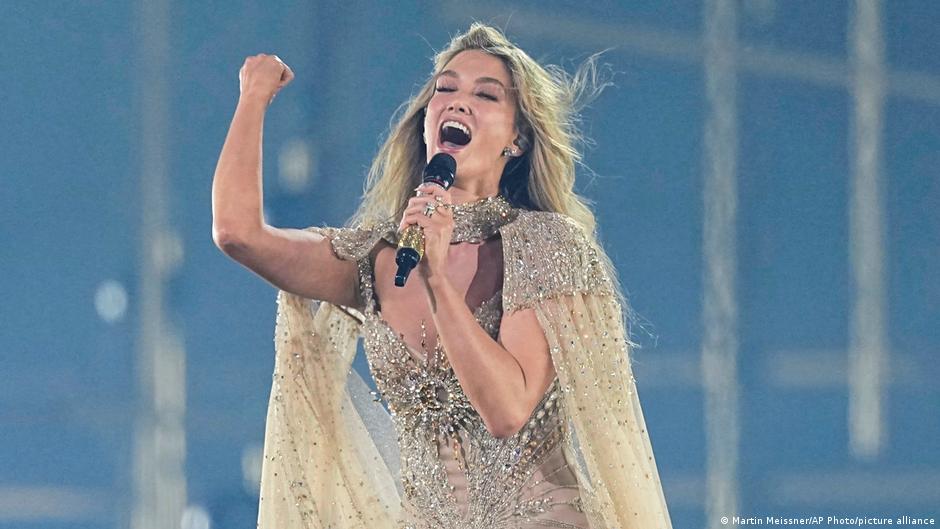
This year's Eurovision, known for its vibrant performances and diverse entries, is marred by political tensions surrounding Israel's involvement.S1S2
Key points
- Protests have emerged in response to Israel's participation in the contest.S1S2
- The event is recognized as the world's largest live music competition.S1S2
- Boycotts have been organized by various groups opposing Israel's involvement.S1S2
- The controversy has overshadowed the celebratory nature of the contest.S1S2
- Eurovision is known for its kitsch and colorful performances.S1S2
- Political issues have historically influenced the contest's atmosphere.S1S2
- The event attracts a global audience, amplifying its political implications.S1S2
- Calls for boycotts have gained traction in various countries.S1S2
Why it matters
- The protests highlight ongoing geopolitical tensions in the region.S1S2
- The contest serves as a platform for cultural expression, now intertwined with political issues.S1S2
- Public reactions could influence future participation and organization of the event.S1S2
What to watch
- Monitor how the protests evolve during the contest.S1S2
- Watch for statements from participating countries regarding the boycott.S1S2
- Observe the impact of this controversy on future Eurovision events.S1S2