The brief
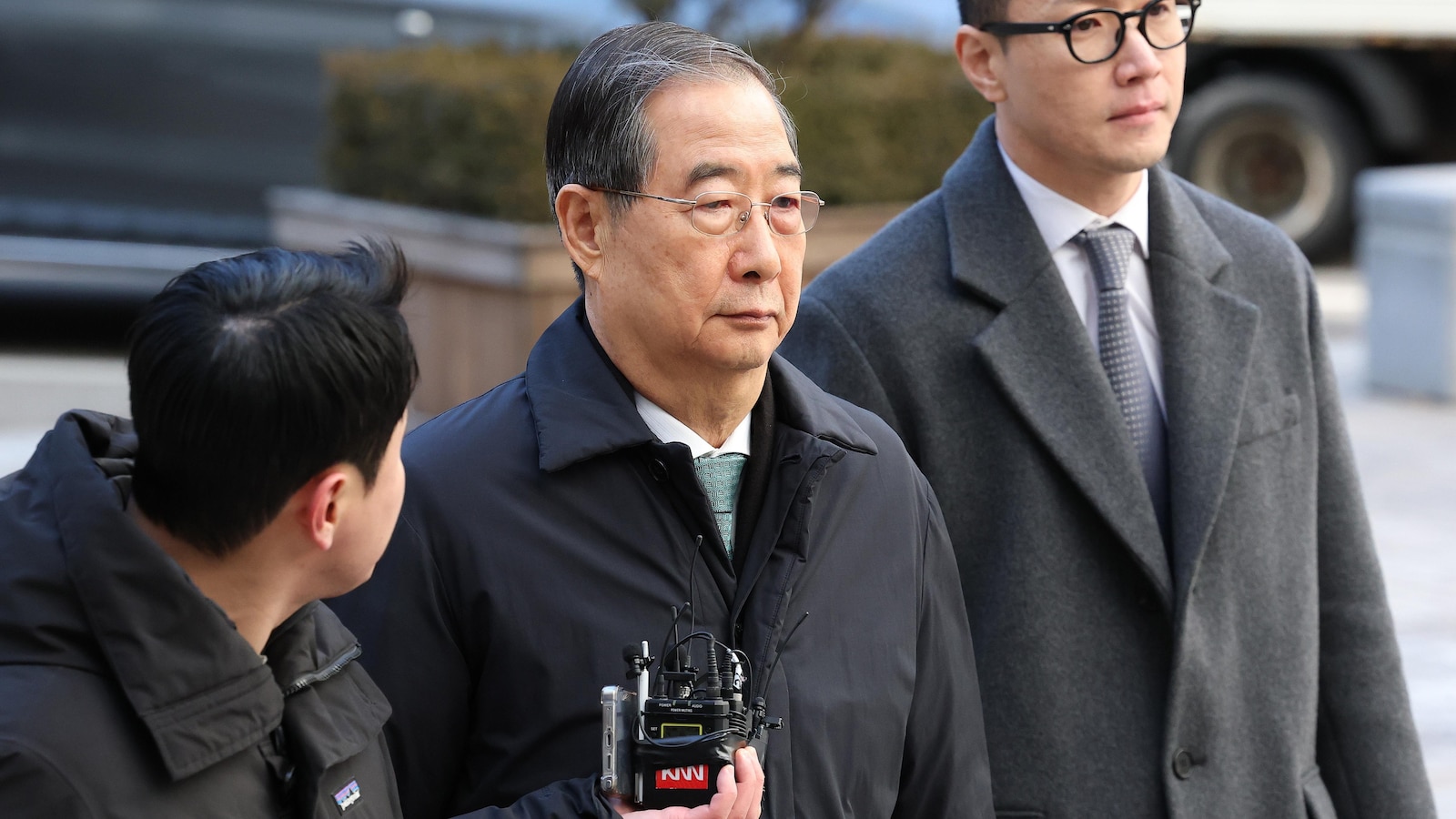
A South Korean appeals court has reduced the prison sentence of former Prime Minister Han Duck-soo from 23 years to 15 years in connection with his role in the imposition of martial law by then President Yoon Suk Yeol.
Context
The case centers on Han Duck-soo's involvement in the controversial decision to impose martial law in late 2024, a significant political event in South Korea's recent history.S1S2
Key points
- The appeals court's decision reflects a significant reduction in Han Duck-soo's original sentence.S1S2
- Han Duck-soo served as Prime Minister during a politically tumultuous period.S1
- The martial law imposition has been a contentious issue in South Korean politics.S1
- Public reaction to the ruling may influence future political dynamics in the country.S1
- The case highlights ongoing debates about governance and civil liberties in South Korea.S1
- Han Duck-soo's case is part of a broader examination of political actions during crises.S2
- The appeals court's ruling may set a precedent for similar cases involving political figures.S2
Why it matters
- The reduction of the sentence raises questions about the judicial system's handling of political cases.S1
- This ruling could affect public trust in the legal system and political accountability.S1
- The case underscores the ongoing tensions between civil liberties and state authority in South Korea.S1
What to watch
- Monitor public responses to the ruling and its impact on political discourse in South Korea.S1
- Watch for potential appeals or further legal actions from Han Duck-soo or related parties.S2
- Observe how this ruling may influence upcoming political events or elections in South Korea.S1