🌐 World · English
Current: 🌐 World · English
Global
Focused
Language
Friday 21 August
🌐 World · English
Current: 🌐 World · English
Global
Focused
Language

Escalating Tensions in the Strait of Hormuz

Conflict & War
The brief

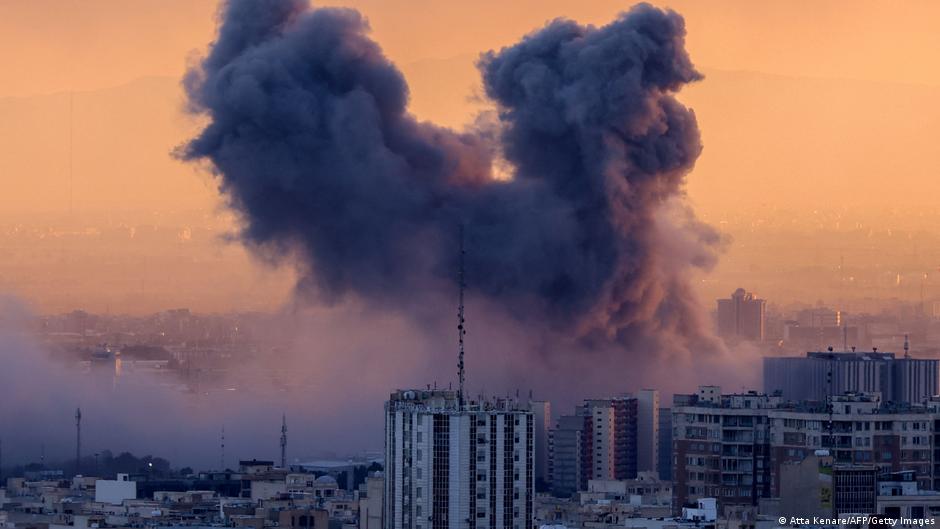
Recent clashes between the U.S. and Iran in the Strait of Hormuz have led to a significant rise in oil prices, highlighting the geopolitical risks in this critical waterway.

Context

The Strait of Hormuz is a vital passage for global oil shipments, and rising tensions in the region can have widespread economic implications.S1S2

Key points

  • Brent crude oil prices have increased amid the recent military exchanges.S1
  • The U.S. and Iran have engaged in strikes that heighten the risk of further conflict.S2
  • The situation raises concerns about the stability of a cease-fire in the region.S2
  • Clashes in the Strait of Hormuz could disrupt oil supply chains globally.S1
  • Both nations have a history of military confrontations in this strategic area.S2
  • The Strait of Hormuz is crucial for transporting a significant portion of the world's oil.S1
  • Increased military activity may lead to further escalation between the U.S. and Iran.S2
  • Global markets are reacting to the potential for prolonged instability in the region.S1

Why it matters

  • Rising oil prices can impact global economies, affecting everything from fuel costs to inflation.S1
  • Tensions in the Strait of Hormuz could lead to broader regional conflicts, affecting international relations.S2

What to watch

  • Monitor developments regarding the cease-fire and any diplomatic efforts to de-escalate tensions.S2
  • Watch for fluctuations in oil prices as the situation evolves.S1
  • Keep an eye on military movements by both the U.S. and Iran in the region.S2
Timeline · newest first
3mos Al Jazeera

Iran war day 70: US, Iran trade fire in Hormuz amid ceasefire tensions

Iran accuses US of breaching ceasefire near Hormuz as CENTCOM says forces responded to Iranian attacks. Iran has accused the United States of violating their ceasefire by targeting…

3mos Al Jazeera

Oil prices jump as US, Iran trade fire in Strait of Hormuz

Brent crude rises amid clashes in critical waterway.

3mos The New York Times

U.S. and Iran Trade Strikes as Tensions in Strait of Hormuz Rise

The escalating attacks raise the threat that the cease-fire could break down.

Escalating Tensions in the Strait of Hormuz

2 outlets 3 reports
The brief

Recent clashes between the U.S. and Iran in the Strait of Hormuz have led to a significant rise in oil prices, highlighting the geopolitical risks in this critical waterway.

Context

The Strait of Hormuz is a vital passage for global oil shipments, and rising tensions in the region can have widespread economic implications.S1S2

Key points

  • Brent crude oil prices have increased amid the recent military exchanges.S1
  • The U.S. and Iran have engaged in strikes that heighten the risk of further conflict.S2
  • The situation raises concerns about the stability of a cease-fire in the region.S2
  • Clashes in the Strait of Hormuz could disrupt oil supply chains globally.S1
  • Both nations have a history of military confrontations in this strategic area.S2
  • The Strait of Hormuz is crucial for transporting a significant portion of the world's oil.S1
  • Increased military activity may lead to further escalation between the U.S. and Iran.S2
  • Global markets are reacting to the potential for prolonged instability in the region.S1

Why it matters

  • Rising oil prices can impact global economies, affecting everything from fuel costs to inflation.S1
  • Tensions in the Strait of Hormuz could lead to broader regional conflicts, affecting international relations.S2

What to watch

  • Monitor developments regarding the cease-fire and any diplomatic efforts to de-escalate tensions.S2
  • Watch for fluctuations in oil prices as the situation evolves.S1
  • Keep an eye on military movements by both the U.S. and Iran in the region.S2
Timeline · newest first

Sources · 2 citations

S1 Al JazeeraLead 2 reports · EN
S2 The New York Times 1 report · EN