The brief
China has enacted a new ethnic unity law that has drawn significant criticism for its potential impact on minority rights and cultural diversity.
Context
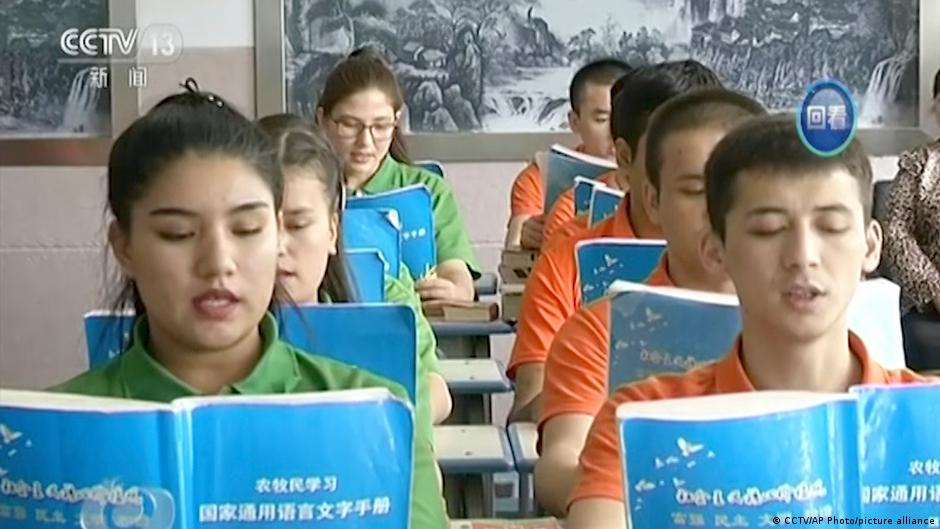
The law designates Mandarin as the official language for education and public affairs, raising concerns about the marginalization of ethnic minorities in the country.S1S2
Key points
- The law aims to promote ethnic unity across China.S1
- Critics argue that the law will lead to increased assimilation of minority groups.S2
- Human rights groups have expressed concerns about the implications for cultural diversity.S1
- The law has been described as sweeping in its scope and impact.S2
- Mandarin will be prioritized in educational settings and public services.S1
- The legislation is seen as part of a broader trend of tightening control over minority populations.S2
- Supporters of the law argue it will enhance national cohesion.S2
- The law has sparked debates about the balance between national unity and minority rights.S1
Why it matters
- The law could significantly alter the landscape of minority rights in China.S2
- It raises questions about the future of cultural identities within the country.S1
- The international community is closely monitoring China's approach to ethnic minorities.S2
What to watch
- Watch for potential responses from human rights organizations regarding the law's implementation.S1
- Monitor how ethnic minority groups react to the new legislation.S2
- Keep an eye on international diplomatic responses to China's ethnic unity law.S2