The brief
Oil prices have experienced significant volatility following recent geopolitical developments involving Iran and the Strait of Hormuz.
Context
Concerns over potential disruptions to oil supplies have led to fluctuations in oil prices, with recent spikes attributed to geopolitical tensions.S1S2
Key points
- Oil prices reached nearly $120 a barrel amid fears of supply disruptions.S1
- President Trump's warnings regarding Iran have contributed to rising oil prices.S2
- The situation in the Strait of Hormuz is critical for global oil supply.S1
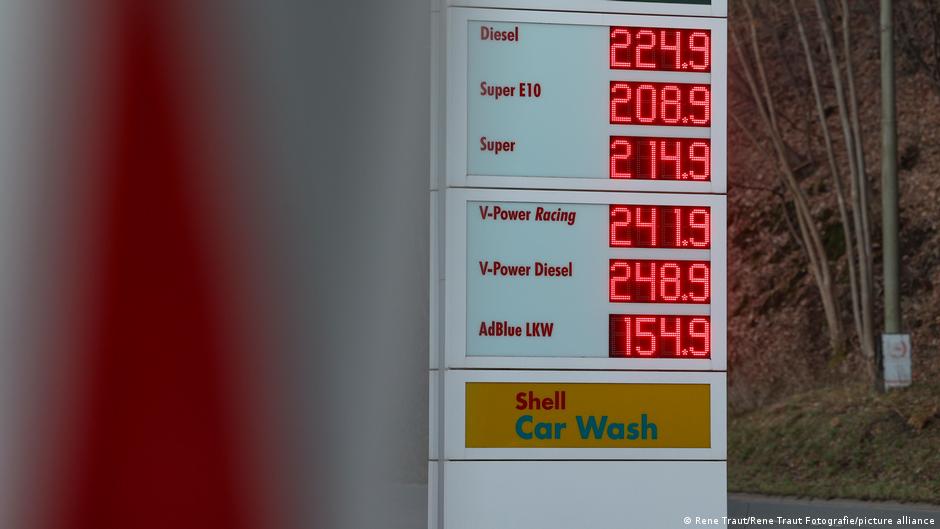
- Trump's campaign promise to lower prices is facing scrutiny due to rising gasoline costs.S2
- Geopolitical tensions often lead to increased volatility in oil markets.S1
- The potential for conflict in the region raises concerns for energy security.S1
- Rising oil prices could impact consumer spending and economic growth.S2
- Market reactions to geopolitical events can be swift and unpredictable.S1
Why it matters
- Fluctuating oil prices can have widespread economic implications, affecting consumers and businesses alike.S2
- Increased oil prices may lead to higher transportation and production costs, impacting inflation.S2
- The stability of oil prices is crucial for global economic stability and energy security.S1
What to watch
- Monitor developments in the Strait of Hormuz and any related military actions.S1
- Watch for responses from the U.S. government regarding oil supply strategies.S2
- Keep an eye on consumer reactions to rising gasoline prices and potential changes in spending habits.S2