The brief
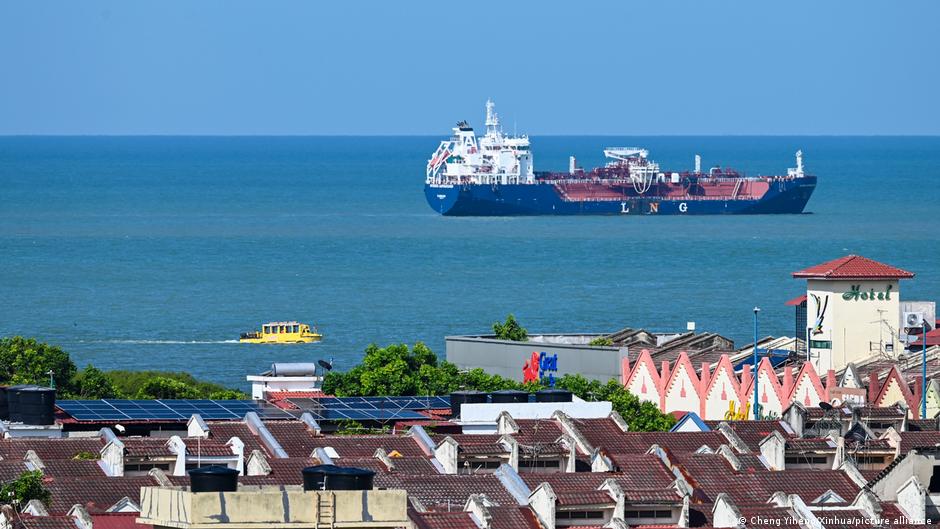
Recent developments highlight the increasing geopolitical tensions surrounding key maritime chokepoints, particularly the Strait of Hormuz, Taiwan Strait, and Strait of Malacca.
Context
The Strait of Hormuz has drawn significant attention due to its strategic importance in global shipping and energy transport. Experts are now warning that other waterways are also becoming focal points for geopolitical maneuvering.S1S2
Key points
- The Strait of Hormuz is a critical maritime chokepoint for global oil transport.S1
- Experts suggest that the weaponization of these waterways could escalate tensions between nations.S1
- Maritime chokepoints are essential for international trade and energy security.S2
- The crisis in the Strait of Hormuz has prompted a reevaluation of other strategic waterways.S1
- Geopolitical leverage in maritime channels can impact global supply chains.S2
- The focus on these chokepoints reflects broader geopolitical rivalries.S1
Why it matters
- Control over maritime chokepoints can influence global energy prices and trade routes.S1
- Increased tensions in these areas could lead to military confrontations.S2
- Understanding these dynamics is crucial for global economic stability.S1
What to watch
- Monitor developments in the Strait of Hormuz for potential escalations.S1
- Watch for shifts in naval deployments in the Taiwan Strait and Strait of Malacca.S2
- Keep an eye on international diplomatic efforts to address tensions in these regions.S1