The brief
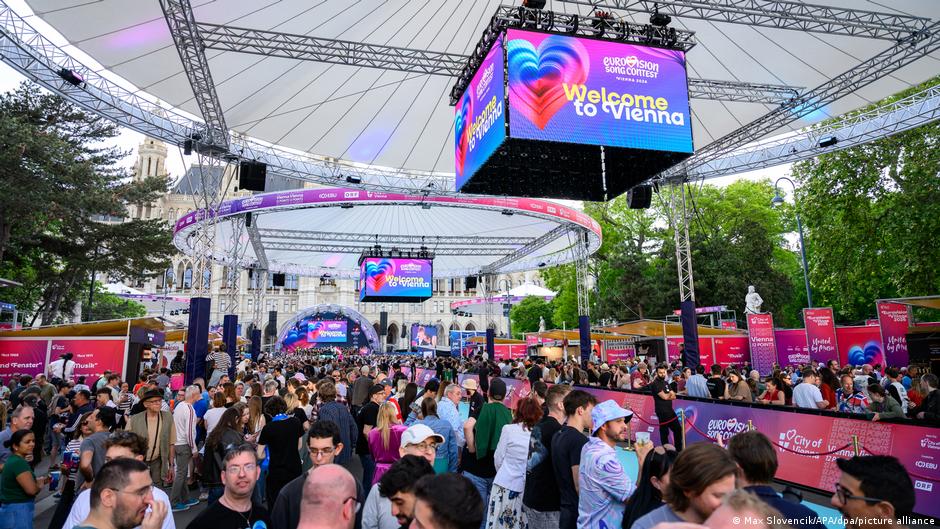
Slovenia, Spain, and Ireland have announced they will not air the Eurovision Song Contest due to Israel's participation.
Context
The Eurovision Song Contest is a widely viewed annual music competition featuring participants from various countries across Europe. Recent political tensions have influenced some nations' decisions regarding their involvement in the event.S1S2
Key points
- Slovenia, Spain, and Ireland are boycotting Eurovision this year.S1S2
- The boycott is specifically in response to Israel's participation.S1S2
- More countries are reportedly considering similar actions.S1S2
- The decision reflects ongoing political sentiments regarding Israel.S1S2
- Eurovision has historically been a platform for cultural expression and political statements.S1S2
- Boycotts in cultural events can impact viewership and participation.S1S2
- The contest has faced political controversies in the past.S1S2
- The situation may evolve as more countries announce their positions.S1S2
Why it matters
- Cultural events like Eurovision can serve as a reflection of political climates.S1S2
- Boycotts can influence public opinion and international relations.S1S2
- The response to Israel's participation highlights divisions within Europe.S1S2
What to watch
- Monitor announcements from other countries regarding their participation.S1S2
- Watch for potential responses from Eurovision organizers.S1S2
- Observe how public sentiment evolves in relation to the contest.S1S2