The brief
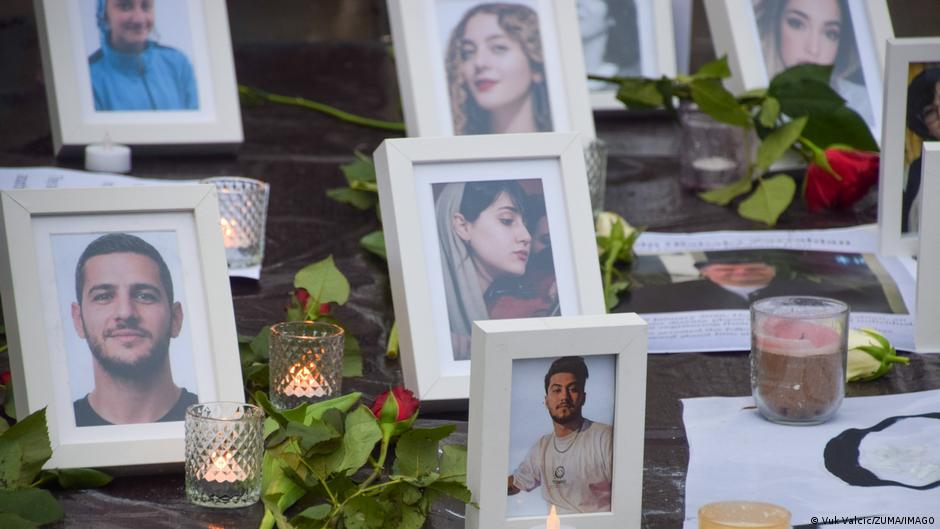
Iran is reportedly intensifying its treatment of political prisoners as tensions rise due to the ongoing US-Israel conflict, with advocates warning of potential mass executions.
Context
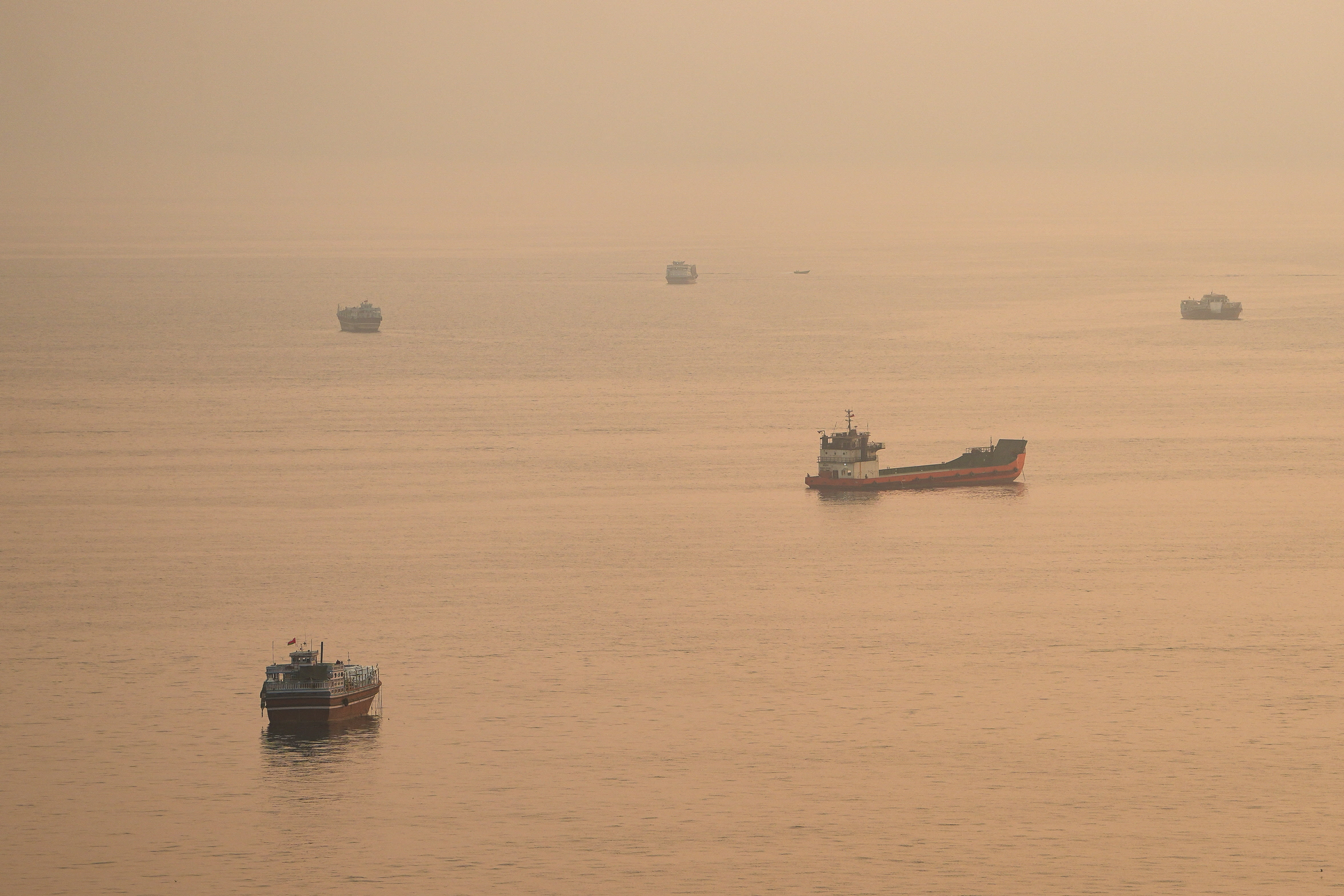
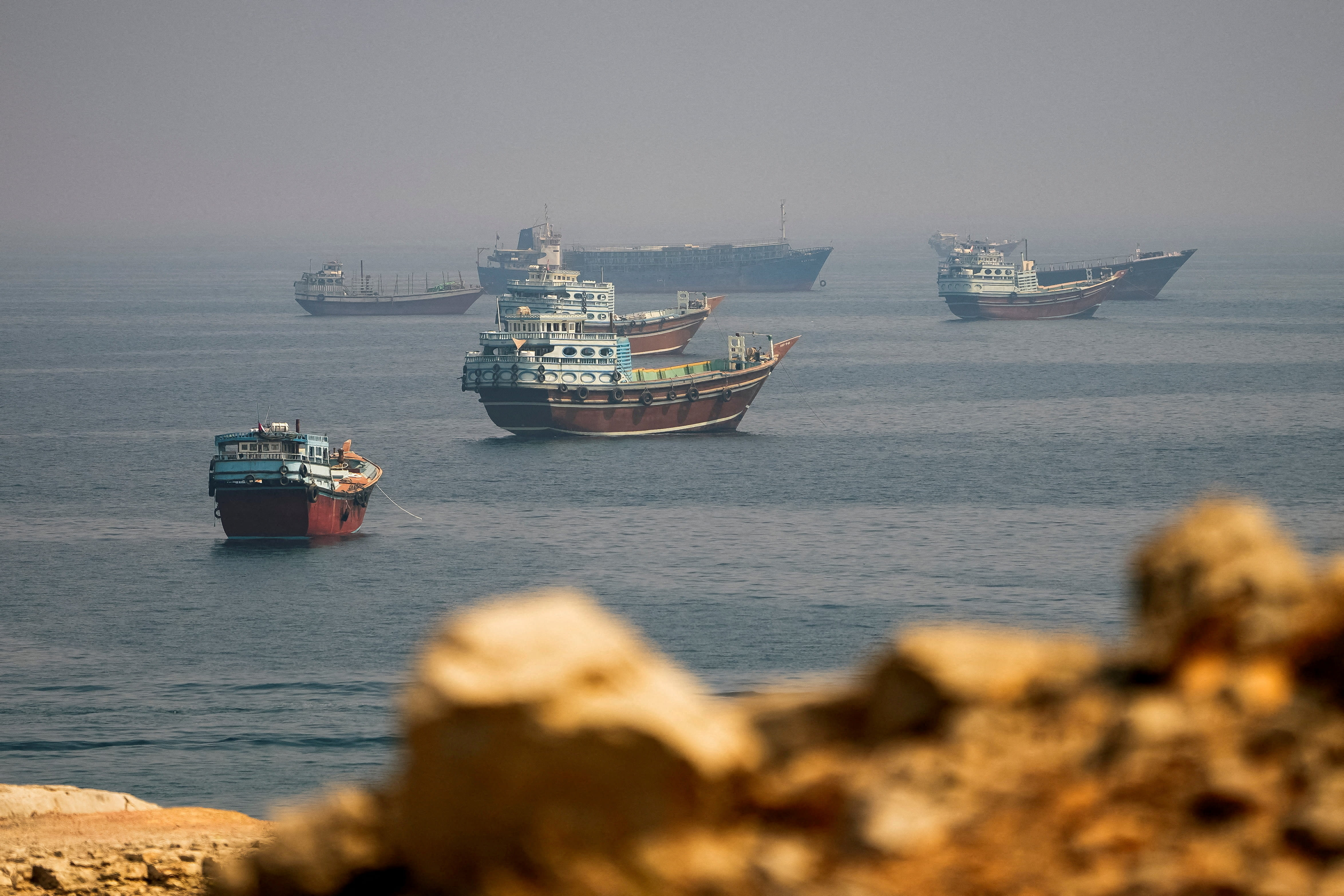
The situation unfolds against the backdrop of heightened geopolitical tensions in the region, particularly concerning the Strait of Hormuz, a critical maritime route.S1S2
Key points
- Tehran is reportedly increasing pressure on political prisoners during the ongoing conflict.S1S2
- Advocates have raised alarms about the possibility of mass executions of these prisoners.S1S2
- The international community is closely monitoring developments in the Strait of Hormuz.S1S2
- The situation reflects broader human rights concerns in Iran amid regional instability.S1S2
- Political prisoners in Iran have faced worsening conditions as tensions escalate.S1S2
- The Iranian government’s actions may be a response to external pressures from the US and Israel.S1S2
- Reports suggest that the Iranian regime is using the conflict as a pretext to suppress dissent.S1S2
- The potential for mass executions raises significant ethical and humanitarian issues.S1S2
Why it matters
- The treatment of political prisoners in Iran highlights ongoing human rights violations.S1S2
- Increased pressure on prisoners could lead to international condemnation and calls for action.S1S2
- The situation may affect diplomatic relations between Iran and other nations, particularly the US and Israel.S1S2
What to watch
- Monitor international responses to Iran's actions regarding political prisoners.S1S2
- Watch for updates on the situation in the Strait of Hormuz as tensions evolve.S1S2
- Keep an eye on advocacy efforts aimed at raising awareness about human rights in Iran.S1S2