The brief
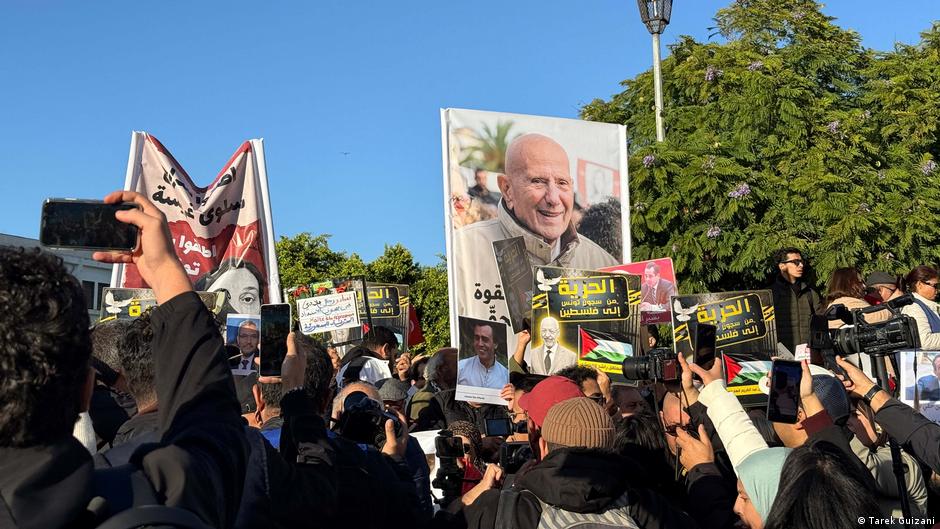
Experts warn that Tunisia is experiencing a significant increase in authoritarian practices as the government intensifies its crackdown on dissent.
Context
The current political climate in Tunisia is marked by heightened repression against various societal groups, including opposition parties and the media.S1S2
Key points
- The Tunisian government is increasing pressure on opposition figures.S1S2
- Journalists in Tunisia are facing intensified scrutiny and restrictions.S1S2
- Civil society organizations are experiencing greater repression.S1S2
- There are growing concerns about the dismantling of democratic institutions.S1S2
- Experts highlight a trend towards deepening authoritarianism in Tunisia.S1S2
- The crackdown is raising fears among citizens and activists alike.S1S2
- International observers are closely monitoring the situation in Tunisia.S1S2
- The political landscape is increasingly hostile to dissenting voices.S1S2
Why it matters
- The erosion of democracy in Tunisia could have regional implications for governance and civil rights.S1S2
- Increased repression may lead to social unrest and instability within the country.S1S2
- The situation raises questions about the future of political freedoms in Tunisia.S1S2
What to watch
- Monitor developments regarding government actions against opposition groups.S1S2
- Watch for responses from international human rights organizations.S1S2
- Keep an eye on public sentiment and potential protests in Tunisia.S1S2