The brief
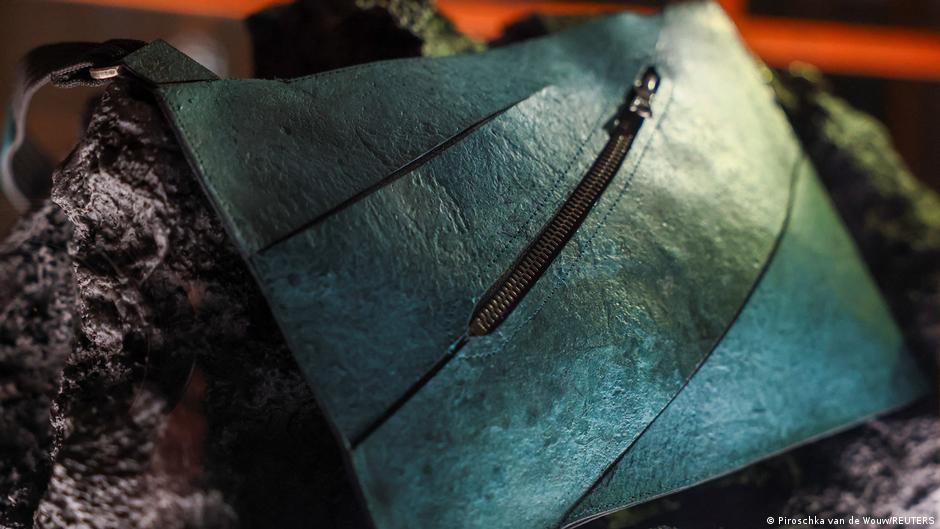
A handbag claimed to be made from lab-grown Tyrannosaurus leather has sparked controversy regarding its authenticity among scientists.
Context
The handbag was unveiled at the Artis Zoo Museum in Amsterdam, alongside a dinosaur skeleton, promoting it as the world's first T. rex leather product.S1S2
Key points
- The handbag is marketed as made from T. rex fossil-derived collagen.S1S2
- Scientists are questioning the authenticity of the material used in the handbag.S1S2
- The unveiling event took place in early April at a museum featuring a dinosaur skeleton.S1S2
- The product raises ethical and scientific concerns about the use of ancient materials.S1S2
- The handbag's promotion highlights a growing trend in luxury fashion towards unconventional materials.S1S2
- Critics argue that the handbag may contain more chicken than actual dinosaur material.S1S2
- The marketing strategy aims to attract attention to both fashion and paleontology.S1S2
- The debate reflects broader discussions on authenticity in the fashion industry.S1S2
Why it matters
- This case illustrates the intersection of fashion, science, and ethics in product marketing.S1S2
- It raises questions about consumer trust in claims regarding luxury goods.S1S2
- The controversy may influence future regulations on the use of lab-grown materials.S1S2
What to watch
- Monitor reactions from the scientific community regarding the handbag's authenticity.S1S2
- Watch for potential legal implications related to marketing claims in fashion.S1S2
- Follow developments in the luxury fashion sector's use of unconventional materials.S1S2