🌐 World · English
Current: 🌐 World · English
Global
Focused
Language
Friday 21 August
🌐 World · English
Current: 🌐 World · English
Global
Focused
Language

Retirement of Worst-Case Climate Scenario Sparks Discussion

Climate
The brief

The retirement of the RCP8.5 climate scenario has generated significant discussion among scientists and climate advocates, highlighting ongoing concerns about global warming despite positive trends in renewable energy adoption.

Context

The RCP8.5 scenario, once considered a worst-case projection for climate change, has been officially retired by scientists, who argue it is outdated rather than incorrect. This decision comes as the UN seeks to tighten commitments from countries to combat climate change, even as the expected temperature rises remain high.S2S3

Key points

  • The RCP8.5 scenario is no longer considered a viable worst-case projection for climate change.S2
  • Renewable energy advancements are positively influencing emissions trends.S1
  • Despite the retirement of RCP8.5, concerns about high temperature rises persist.S1
  • The decision to retire RCP8.5 has been met with mixed reactions, including support from climate skeptics.S3
  • Experts emphasize that the scenario was retired due to being outdated, not because it was wrong.S3
  • The UN is actively working to strengthen countries' climate commitments in light of ongoing warming.S1
  • The debate surrounding RCP8.5 reflects broader discussions about climate modeling and projections.S2
  • The retirement of RCP8.5 may influence future climate policy and public perception of climate risks.S2

Why it matters

  • Understanding the implications of retiring RCP8.5 can help clarify climate risks and inform policy decisions.S2
  • The shift in emissions trends due to renewable energy is crucial for future climate stability.S1
  • The ongoing debate highlights the need for accurate climate modeling to guide effective responses to climate change.S3

What to watch

  • Monitor how countries adjust their climate commitments following the UN's push for tighter regulations.S1
  • Watch for reactions from climate skeptics and advocates in response to the retirement of RCP8.5.S3
  • Keep an eye on advancements in renewable energy technologies and their impact on emissions trends.S1
Timeline · newest first
2mos Deutsche Welle

Worst-case climate scenario is off the table, but warming is not

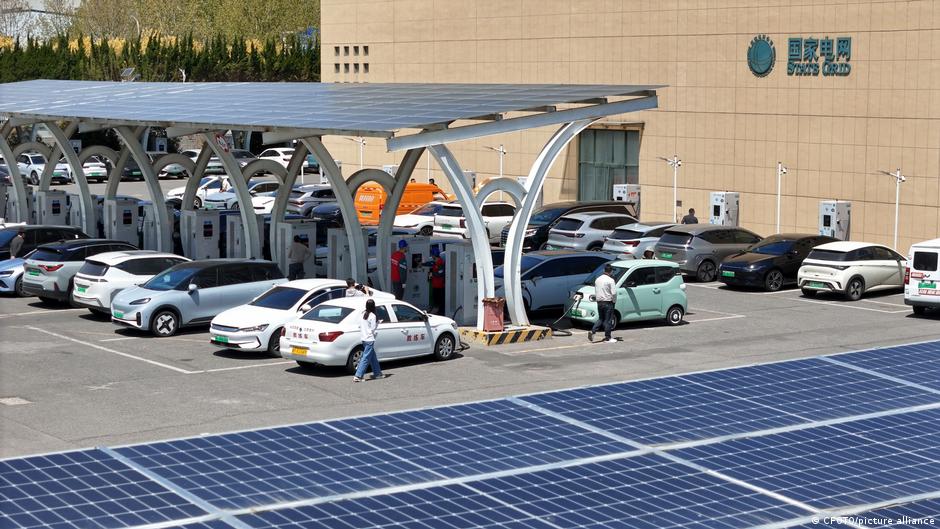
Renewables rollout is helping to shift emissions trends, but expected temperature rises remain high as the UN moves to tighten countries’ commitments.

2mos Deutsche Welle

Worst-case climate scenario off the table, but warming is not

The rapid rollout of renewable energy is helping to shift emissions trends, but expected temperature rises remain high as the UN moves to tighten countries’ commitments.

3mos Bloomberg

The Worst-Case Climate Scenario Is Dead — and Still Spurring Debate

RCP8.5 is officially retired, scientists say.

3mos Bloomberg

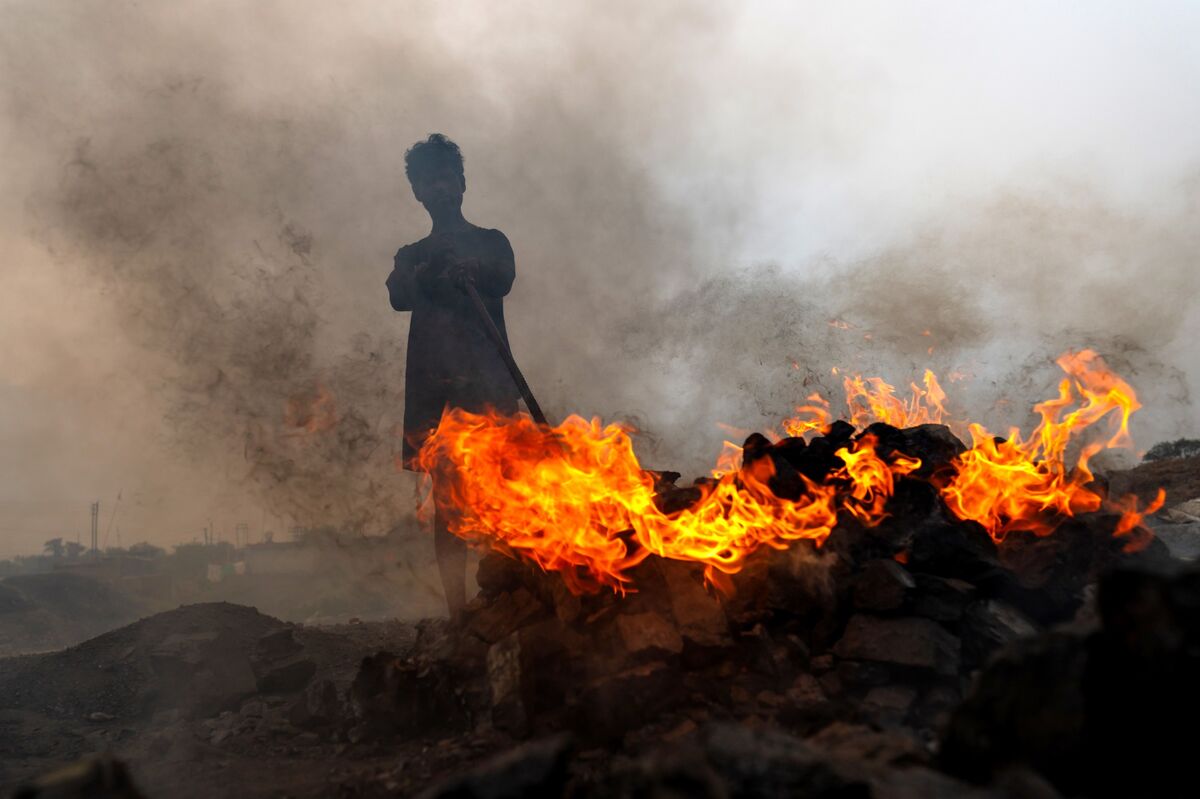
Scientists Ditch Worst-Case Climate Scenario, With Ridicule From Trump

Global warming skeptics, including the US president, have celebrated the end of the scenario known as RCP8.5. Experts say it was retired for being outdated, not wrong.

Retirement of Worst-Case Climate Scenario Sparks Discussion

2 outlets 4 reports
The brief

The retirement of the RCP8.5 climate scenario has generated significant discussion among scientists and climate advocates, highlighting ongoing concerns about global warming despite positive trends in renewable energy adoption.

Context

The RCP8.5 scenario, once considered a worst-case projection for climate change, has been officially retired by scientists, who argue it is outdated rather than incorrect. This decision comes as the UN seeks to tighten commitments from countries to combat climate change, even as the expected temperature rises remain high.S2S3

Key points

  • The RCP8.5 scenario is no longer considered a viable worst-case projection for climate change.S2
  • Renewable energy advancements are positively influencing emissions trends.S1
  • Despite the retirement of RCP8.5, concerns about high temperature rises persist.S1
  • The decision to retire RCP8.5 has been met with mixed reactions, including support from climate skeptics.S3
  • Experts emphasize that the scenario was retired due to being outdated, not because it was wrong.S3
  • The UN is actively working to strengthen countries' climate commitments in light of ongoing warming.S1
  • The debate surrounding RCP8.5 reflects broader discussions about climate modeling and projections.S2
  • The retirement of RCP8.5 may influence future climate policy and public perception of climate risks.S2

Why it matters

  • Understanding the implications of retiring RCP8.5 can help clarify climate risks and inform policy decisions.S2
  • The shift in emissions trends due to renewable energy is crucial for future climate stability.S1
  • The ongoing debate highlights the need for accurate climate modeling to guide effective responses to climate change.S3

What to watch

  • Monitor how countries adjust their climate commitments following the UN's push for tighter regulations.S1
  • Watch for reactions from climate skeptics and advocates in response to the retirement of RCP8.5.S3
  • Keep an eye on advancements in renewable energy technologies and their impact on emissions trends.S1

Timeline · newest first

Sources · 3 citations

S1 Deutsche Welle 2 reports · EN
S2S3 BloombergLead 2 reports · EN