The brief
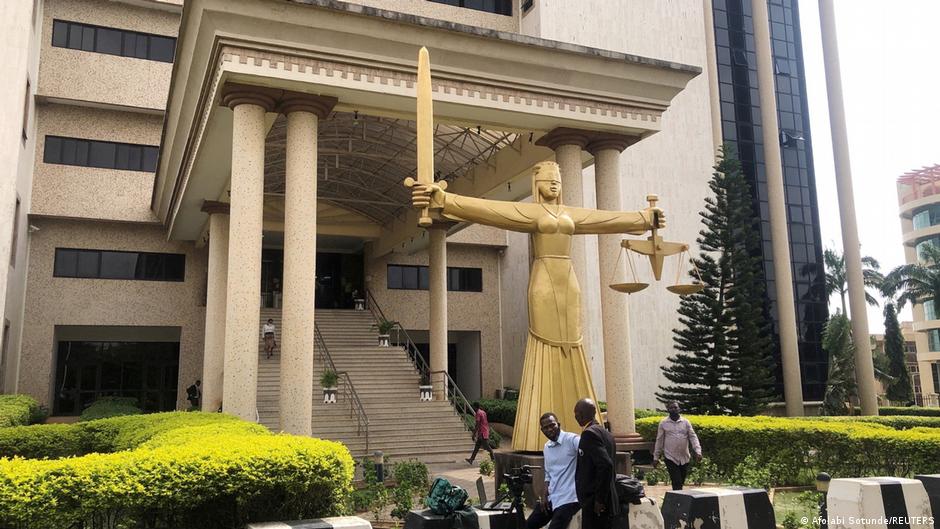
The recent conviction of former Nigerian power minister Saleh Mamman has reignited discussions about accountability in Nigeria's ongoing battle against corruption.
Context
Mamman’s arrest is seen as a significant event in Nigeria's anti-corruption efforts, which have often been criticized for lack of follow-through on high-profile cases.S1S2
Key points
- Saleh Mamman was recently convicted, marking a notable event in Nigeria's anti-corruption campaign.S1S2
- His conviction has led to renewed scrutiny over who is held accountable for corruption in Nigeria.S1S2
- The case highlights ongoing challenges in prosecuting high-level corruption in the country.S1
- Critics argue that many corruption cases remain unresolved, raising questions about the effectiveness of the legal system.S1
- Mamman’s case is viewed as a rare instance of accountability among former government officials.S1
- The public reaction to Mamman's conviction reflects a broader desire for justice in corruption cases.S1
- This event may influence future anti-corruption initiatives and public trust in government actions.S1
- The conviction could serve as a precedent for prosecuting other high-profile figures in Nigeria.S1
Why it matters
- The case underscores the importance of accountability in governance and public trust in institutions.S1
- It may signal a shift in the government's approach to tackling corruption at higher levels.S1
- Public interest in the outcome of such cases can drive demand for more transparency and reform.S1
What to watch
- Monitor how the government responds to public demand for accountability following Mamman's conviction.S1
- Watch for potential implications for other ongoing corruption cases in Nigeria.S1
- Observe any changes in public sentiment regarding the effectiveness of anti-corruption measures.S1

