The brief
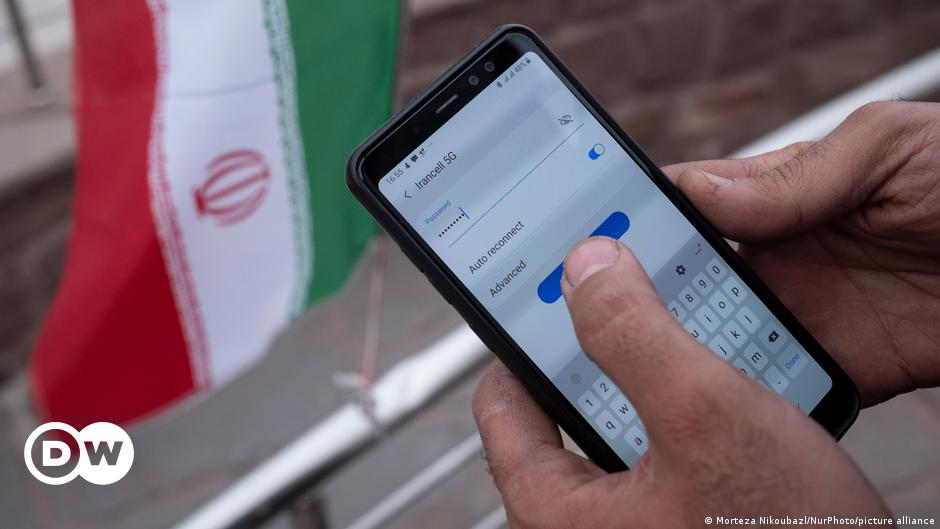
In Iran, the ongoing internet blockade has led to a situation where access to information and communication is increasingly restricted, becoming a luxury for a select few.
Context
The Iranian government has implemented a significant internet blockade, limiting access to online resources for the general population.S1S2
Key points
- Access to the so-called 'Internet-Pro' is available for a fee to select groups in Iran.S1S2
- The blockade has intensified the divide between those who can afford access and those who cannot.S1S2
- Information and communication are increasingly viewed as luxuries rather than basic rights in Iran.S1S2
- The situation reflects broader issues of censorship and control over information in the country.S1S2
- The availability of 'Internet-Pro' raises questions about equity and access to information.S1S2
- The blockade has implications for social and political discourse in Iran.S1S2
- Access to the internet is crucial for many aspects of daily life, including education and business.S1S2
- The disparity in internet access may lead to increased social tensions within the country.S1S2
Why it matters
- The situation highlights the growing inequality in access to information in Iran.S1S2
- Limited internet access can hinder economic development and social progress.S1S2
- The divide in internet access may affect political engagement and activism.S1S2
What to watch
- Monitor any changes in government policy regarding internet access in Iran.S1S2
- Watch for potential international responses to Iran's internet blockade.S1S2
- Observe how the situation affects social movements and public discourse in Iran.S1S2