The brief
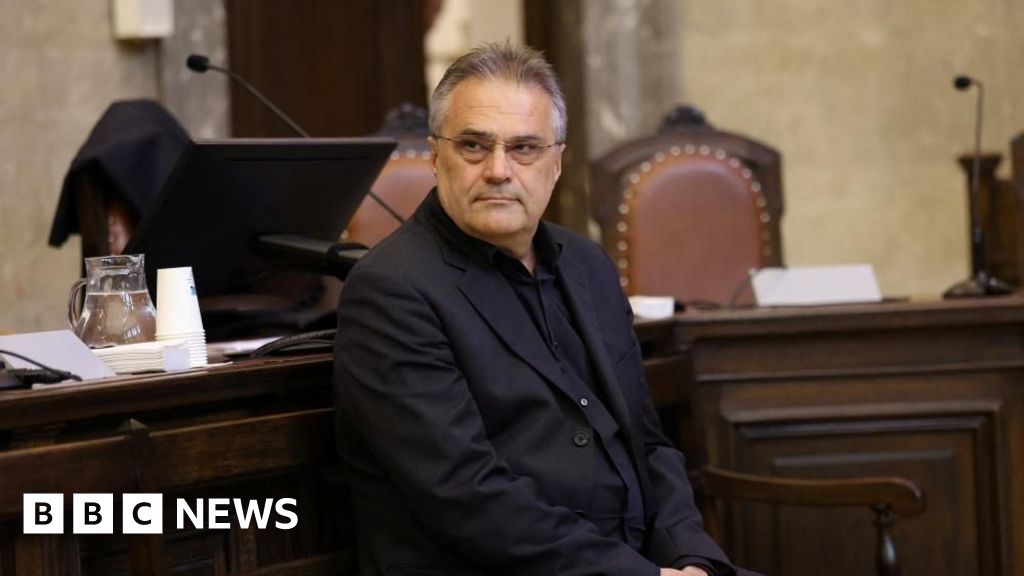
An Austrian former intelligence officer has been found guilty of espionage for Russia, marking a significant development in the country's ongoing issues with foreign espionage.
Context
The case has highlighted concerns about Russia's espionage activities in Austria, a country that has been viewed as a strategic location for such operations.S1
Key points
- Egisto Ott was convicted in Austria's largest postwar espionage trial.S2
- Ott was an accomplice to Jan Marsalek, a fugitive linked to the scandal.S2
- The trial has drawn attention to the broader implications of espionage in Europe.S1
- The verdict has reignited fears about Russian influence in Austria.S1
- Concerns about national security have been raised following the trial.S1
- The case reflects ongoing tensions between Western nations and Russia.S2
- Austrian authorities are under pressure to address espionage threats more effectively.S1
- The verdict may influence future intelligence cooperation in Europe.S2
Why it matters
- The conviction underscores the risks posed by foreign espionage in Europe.S1
- It raises questions about the effectiveness of Austria's intelligence operations.S2
- The case could lead to increased scrutiny of Russian activities in the region.S1
What to watch
- Monitor reactions from Austrian officials regarding national security policies.S1
- Watch for potential changes in Austria's intelligence collaboration with other nations.S2
- Keep an eye on further developments in the case of Jan Marsalek.S2