The brief
Recent US-led airstrikes in Nigeria have targeted the Islamic State (IS) terror group, indicating a growing military presence in the region.
Context
The US has conducted airstrikes in Nigeria as part of efforts to combat the Islamic State, which has been active in the region. This military action reflects a shift in US strategy towards deeper involvement in Nigerian security matters.S1S2
Key points
- US airstrikes have reportedly weakened the Islamic State in Nigeria.S1S2
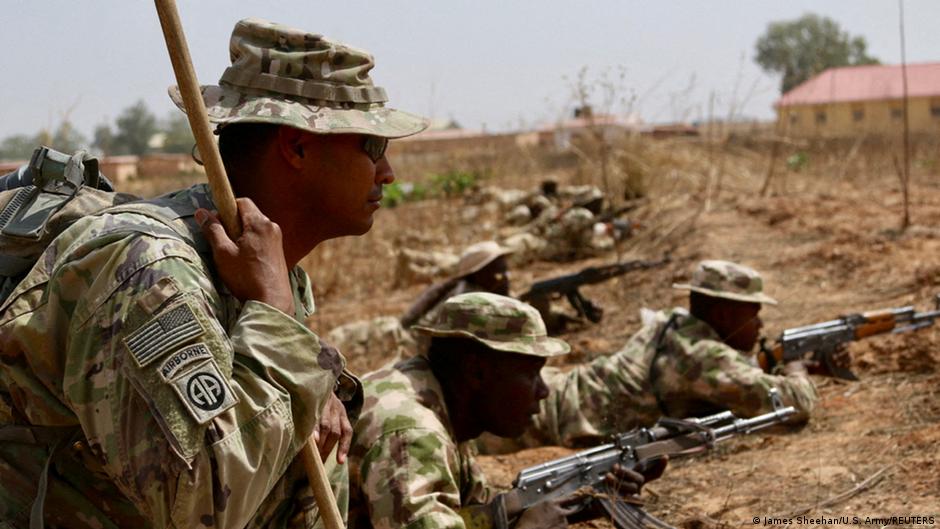
- The operation marks an expanding role for the US in Nigerian military affairs.S1S2
- Analysts caution that the long-term impact of these airstrikes may be limited.S1S2
- Concerns have been raised about potential civilian casualties resulting from the airstrikes.S1S2
- The US's involvement is part of a broader strategy to counter terrorism in West Africa.S1S2
- The airstrikes are a response to the increasing threat posed by IS in the region.S1S2
- The operation highlights the complexities of foreign military intervention in local conflicts.S1S2
- There is ongoing debate about the effectiveness of military solutions in addressing terrorism.S1S2
Why it matters
- The US's military involvement could reshape security dynamics in Nigeria and the surrounding region.S1S2
- Understanding the implications of these airstrikes is crucial for assessing future US foreign policy in Africa.S1S2
What to watch
- Monitor developments regarding civilian impacts from the airstrikes and local reactions.S1S2
- Watch for potential shifts in US military strategy in response to the effectiveness of these operations.S1S2