The brief
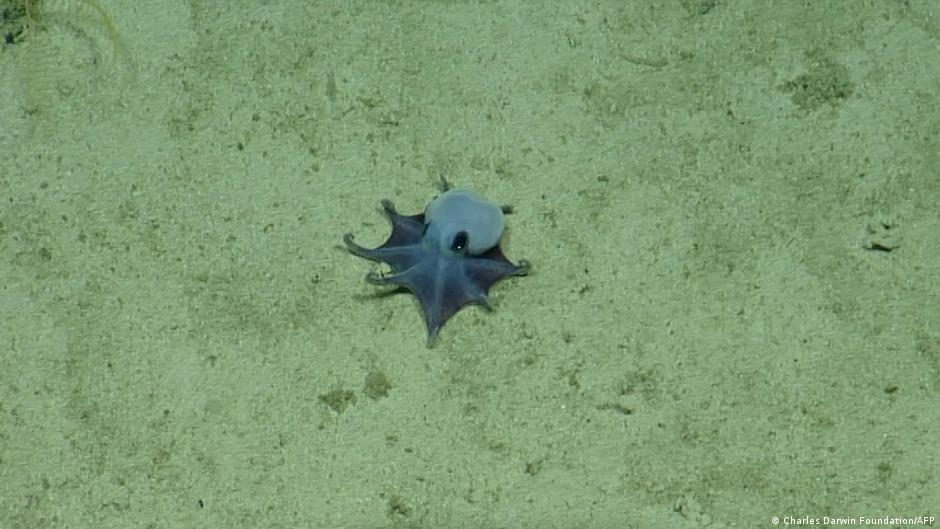
Scientists have identified a new species of octopus in the Galapagos Islands, named Microeledone galapagensis, notable for its striking blue color.
Context
This discovery highlights the biodiversity of the Galapagos Islands and the ongoing research efforts in deep-sea ecosystems.S1S2
Key points
- The new octopus species was found nearly 1,800 meters below the ocean surface.S2
- It has been named Microeledone galapagensis due to its unique blue hue.S2
- The blue color of this octopus is considered one of the rarest in nature.S2
- The discovery was made by a team from the Charles Darwin Foundation.S2
- The octopus is described as tiny and cute, contributing to its appeal.S1
- This finding adds to the rich biodiversity of the Galapagos marine environment.S1
- The research emphasizes the importance of deep-sea exploration in understanding marine life.S1
- The Galapagos Islands are known for their unique ecosystems and species diversity.S1
Why it matters
- Understanding new species helps in conservation efforts in the Galapagos.S1
- The discovery underscores the significance of deep-sea habitats in biodiversity.S2
What to watch
- Monitor further research on the ecological role of Microeledone galapagensis.S2
- Watch for conservation initiatives aimed at protecting deep-sea ecosystems in the Galapagos.S1