Rising Domestic Violence in Afghanistan Amid Taliban Rule

Afghanistan
The brief

Domestic violence in Afghanistan is increasingly dangerous and less visible as poverty deepens and women's rights are curtailed under Taliban rule.

Context

The situation for women in Afghanistan has deteriorated significantly since the Taliban regained control, leading to heightened risks of domestic violence and femicide.S1S2

Key points

  • Poverty is escalating in Afghanistan, contributing to a rise in domestic violence.S1S2
  • The Taliban's restrictions on women's rights have made it harder for victims to seek help.S1S2
  • Domestic violence is becoming less visible, complicating efforts to address it.S1S2
  • Victims of domestic violence face increased isolation due to societal and legal barriers.S1S2
  • The risk of femicide is growing as economic conditions worsen.S1S2
  • Women are increasingly trapped in abusive situations with limited escape options.S1S2
  • International attention on women's rights in Afghanistan has not translated into effective support for victims of domestic violence.S1S2
  • The combination of poverty and repression creates a dangerous environment for women.S1S2

Why it matters

  • Understanding the dynamics of domestic violence in Afghanistan is crucial for humanitarian responses.S1S2
  • Addressing the issue is essential for the safety and rights of women in the region.S1S2
  • The situation reflects broader implications for global women's rights advocacy.S1S2

What to watch

  • Monitor developments in international responses to women's rights in Afghanistan.S1S2
  • Watch for changes in Taliban policies regarding women's rights and domestic violence.S1S2
  • Keep an eye on reports from NGOs working on the ground in Afghanistan.S1S2
Timeline · newest first
5mos Deutsche Welle · 4 reports

Afghanistan's crisis deepens hidden violence against women

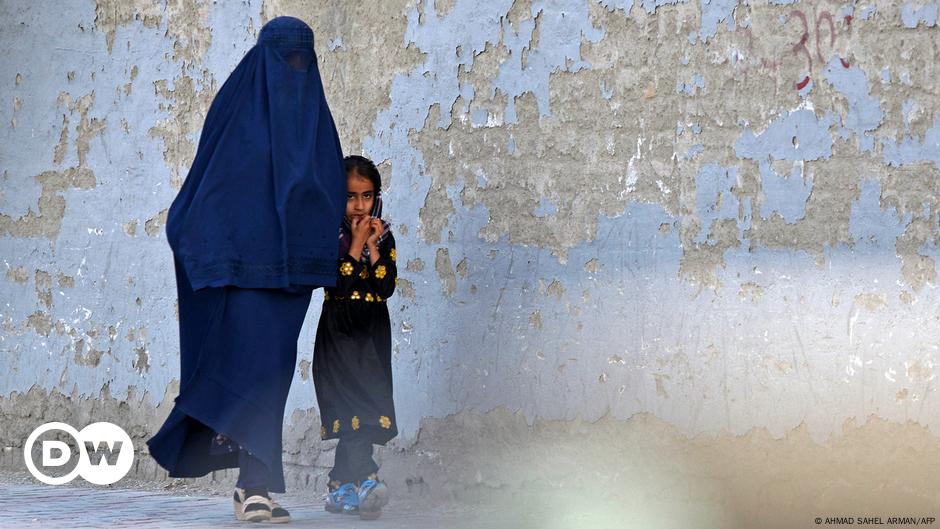
As poverty deepens and the Taliban curtails women's rights, domestic violence in Afghanistan is becoming more dangerous, less visible and harder to escape.

5mos Deutsche Welle · 2 reports

Hidden femicide risk grows in Afghanistan

As poverty deepens and the Taliban curtails women's rights, domestic violence in Afghanistan is becoming more dangerous, less visible and harder to escape.

Rising Domestic Violence in Afghanistan Amid Taliban Rule

1 outlet 6 reports
The brief

Domestic violence in Afghanistan is increasingly dangerous and less visible as poverty deepens and women's rights are curtailed under Taliban rule.

Context

The situation for women in Afghanistan has deteriorated significantly since the Taliban regained control, leading to heightened risks of domestic violence and femicide.S1S2

Key points

  • Poverty is escalating in Afghanistan, contributing to a rise in domestic violence.S1S2
  • The Taliban's restrictions on women's rights have made it harder for victims to seek help.S1S2
  • Domestic violence is becoming less visible, complicating efforts to address it.S1S2
  • Victims of domestic violence face increased isolation due to societal and legal barriers.S1S2
  • The risk of femicide is growing as economic conditions worsen.S1S2
  • Women are increasingly trapped in abusive situations with limited escape options.S1S2
  • International attention on women's rights in Afghanistan has not translated into effective support for victims of domestic violence.S1S2
  • The combination of poverty and repression creates a dangerous environment for women.S1S2

Why it matters

  • Understanding the dynamics of domestic violence in Afghanistan is crucial for humanitarian responses.S1S2
  • Addressing the issue is essential for the safety and rights of women in the region.S1S2
  • The situation reflects broader implications for global women's rights advocacy.S1S2

What to watch

  • Monitor developments in international responses to women's rights in Afghanistan.S1S2
  • Watch for changes in Taliban policies regarding women's rights and domestic violence.S1S2
  • Keep an eye on reports from NGOs working on the ground in Afghanistan.S1S2
Timeline · newest first

Sources · 2 citations

S1S2 Deutsche Welle 6 reports · EN