The brief
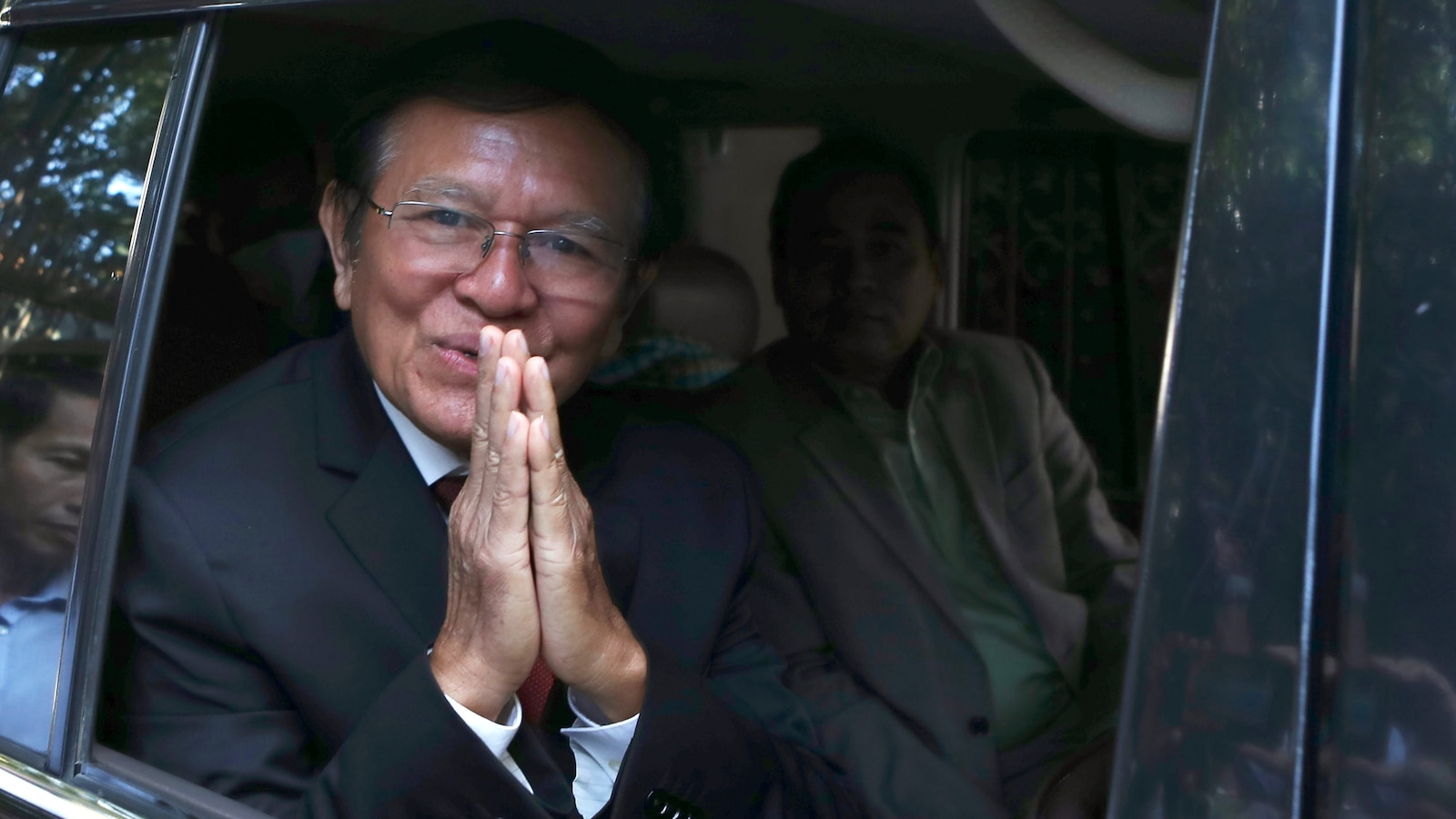
Kem Sokha, the former opposition leader in Cambodia, has been granted a royal pardon, ending his 27-year sentence for treason, a move seen as politically motivated by many observers.
Context
Sokha's conviction and lengthy sentence had drawn international criticism and were viewed as part of a broader crackdown on dissent in Cambodia.S1S2
Key points
- Kem Sokha was serving a 27-year sentence on treason charges.S2
- The charges against Sokha were widely criticized as politically motivated.S2
- His royal pardon was announced amid ongoing discussions about political reform in Cambodia.S1
- The pardon may signal a shift in the Cambodian government's approach to opposition figures.S1
- Sokha's release could impact the political landscape ahead of future elections.S1
- International reactions to the pardon have been mixed, with some viewing it as a positive step.S1
- The Cambodian government has faced pressure from human rights organizations regarding political freedoms.S2
- Sokha's case has been emblematic of the challenges faced by opposition parties in Cambodia.S2
Why it matters
- The pardon could lead to increased political engagement and dialogue in Cambodia.S1
- It may influence the perception of Cambodia's commitment to democratic principles.S2
What to watch
- Monitor the reactions from international human rights organizations regarding the pardon.S1
- Watch for potential changes in the political dynamics within Cambodia leading up to elections.S2