
The brief
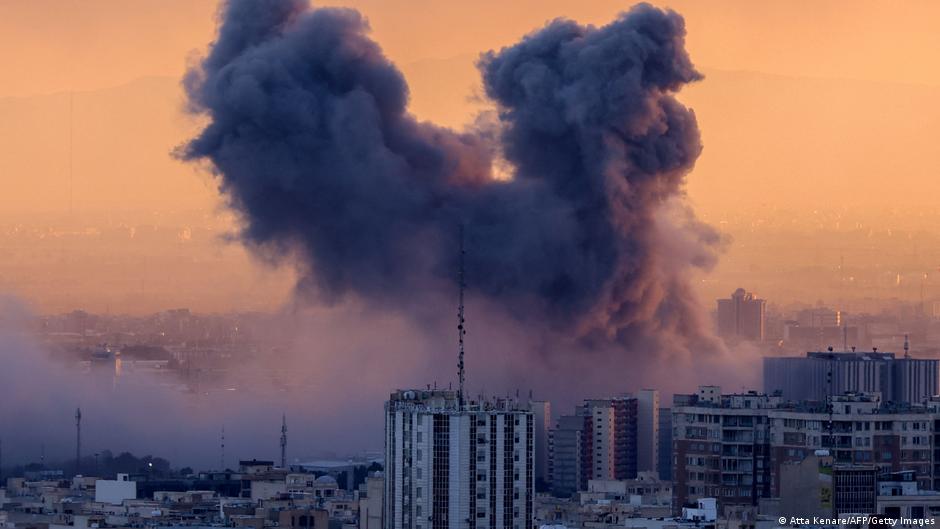
Recent Israeli airstrikes in southern Lebanon have resulted in multiple casualties, escalating tensions in the region following a brief period of reduced direct confrontation between Israel and Iran.
Context
The Israeli military campaign against Hezbollah has complicated U.S.-Iran peace negotiations, as both nations navigate their military actions and responses.S1
Key points
- Israeli airstrikes have killed at least 14 people in southern Lebanon.S2
- Dozens more have been reported wounded due to the air attacks.S2
- Iran has issued warnings of 'crushing blows' in response to continued Israeli strikes.S2
- The recent attacks occurred after a temporary de-escalation between Israel and Iran.S1
- The ongoing conflict with Hezbollah remains a significant factor in regional stability.S1
- U.S.-Iran peace talks are hindered by the Israeli military actions in Lebanon.S1
- Israel has halted its attacks on Iran but continues its operations in Lebanon.S2
- The situation reflects broader geopolitical tensions involving multiple regional players.S1
Why it matters
- The escalation in southern Lebanon could destabilize the region further, impacting neighboring countries.S1
- Iran's threats may lead to a more aggressive military response from Israel, increasing the risk of conflict.S2
- The situation complicates diplomatic efforts aimed at reducing tensions between the U.S. and Iran.S1
What to watch
- Monitor further developments in Israeli military operations in Lebanon.S2
- Watch for Iran's response to the recent airstrikes and any potential escalation.S2
- Keep an eye on U.S. diplomatic efforts regarding the ongoing conflict.S1





/file/attachments/2998/14341149_774243.jpg)