The brief
The rising global popularity of ube, or purple yam, is creating challenges for farmers in the Philippines as they strive to meet increasing demand.
Context
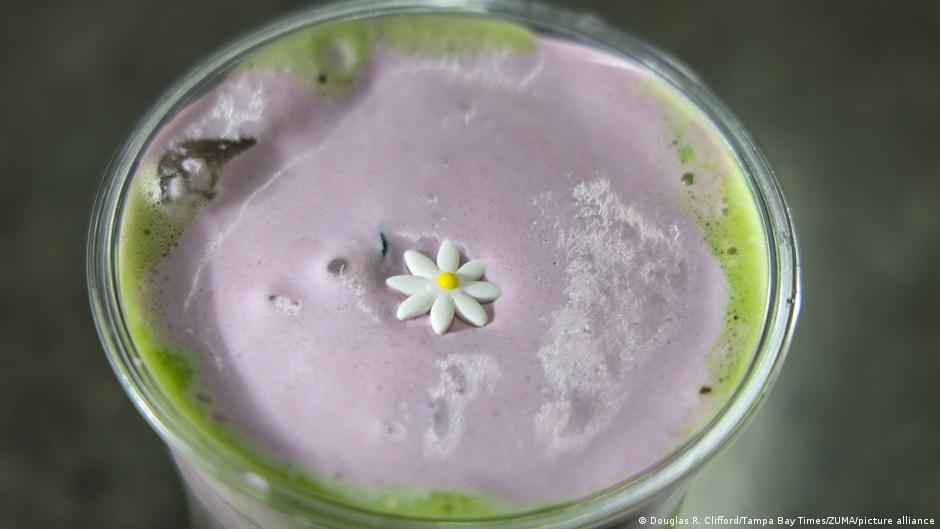
Ube has transitioned from a traditional Filipino delicacy to a sought-after ingredient in international cuisine, particularly in cafes and dessert shops worldwide.S1S2
Key points
- Ube is a staple in Filipino cuisine, traditionally used in desserts and snacks.S1
- The global craze for ube has led to a surge in its popularity outside the Philippines.S2
- Farmers are racing to increase production to satisfy both local and international markets.S1
- The increased demand is putting pressure on the supply of ube crops.S2
- Ube's unique flavor and vibrant color contribute to its appeal in various culinary applications.S1
- The trend has prompted some farmers to diversify their crops to include more ube.S2
- Challenges include maintaining crop quality while scaling up production.S1
- The rise of ube in global markets reflects broader trends in food globalization and fusion cuisine.S2
Why it matters
- The ube craze highlights the economic potential of traditional crops in global markets.S1
- Increased demand for ube can provide financial benefits to Filipino farmers.S2
- However, the pressure on supply may lead to sustainability concerns for local agriculture.S1
What to watch
- Monitor how farmers adapt their practices to meet the growing demand for ube.S2
- Watch for potential impacts on ube prices in both local and international markets.S1
- Keep an eye on the sustainability practices adopted by farmers in response to increased demand.S2