The brief
Iran has announced the closure of the Strait of Hormuz, escalating tensions following recent US military actions in the region.
Context
The Strait of Hormuz is a critical waterway for global oil shipments, and its closure could have significant implications for international trade and energy supplies.S1
Key points
- Iran's military command declared the Strait of Hormuz closed to all vessels, including oil tankers and commercial ships.S1
- Iran warned that any vessel attempting to pass through the strait would be shot at.S1
- The US Central Command reported completing attacks on new targets in Iran as a response to Iranian aggression.S2
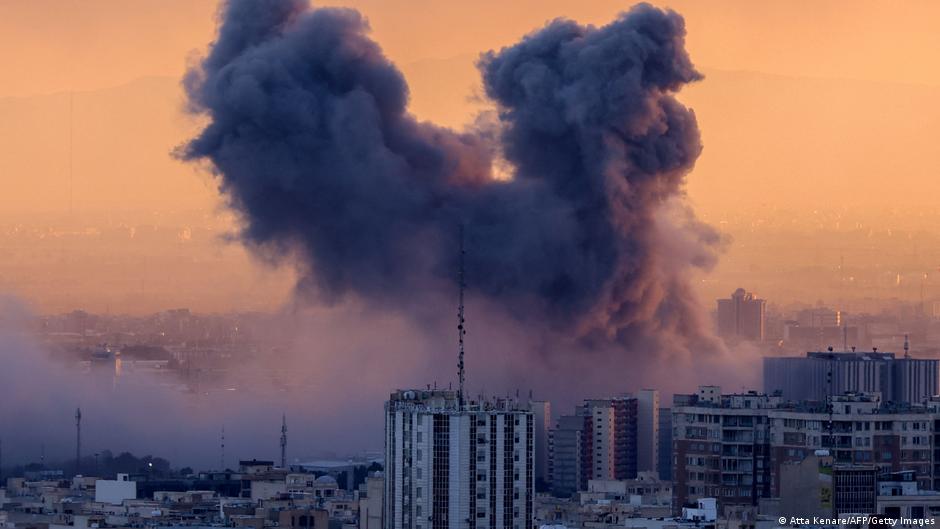
- Iranian state media confirmed explosions in various locations across the country following the US attacks.S2
- The closure of the strait is a significant escalation in the ongoing tensions between the US and Iran.S1
- The Strait of Hormuz is vital for the transportation of a substantial portion of the world's oil supply.S1
- The situation is being closely monitored by international observers due to its potential impact on global markets.S1
- Both nations have engaged in a series of military actions that have heightened regional instability.S2
Why it matters
- The closure of the Strait of Hormuz could disrupt global oil supplies and lead to increased prices.S1
- Escalating military actions between the US and Iran raise concerns about broader regional conflict.S2
- International shipping routes may be affected, impacting global trade dynamics.S1
What to watch
- Monitor developments regarding US military responses and Iranian military actions in the region.S2
- Watch for reactions from global oil markets in response to the closure of the strait.S1
- Keep an eye on diplomatic efforts aimed at de-escalating tensions between the US and Iran.S2