The brief
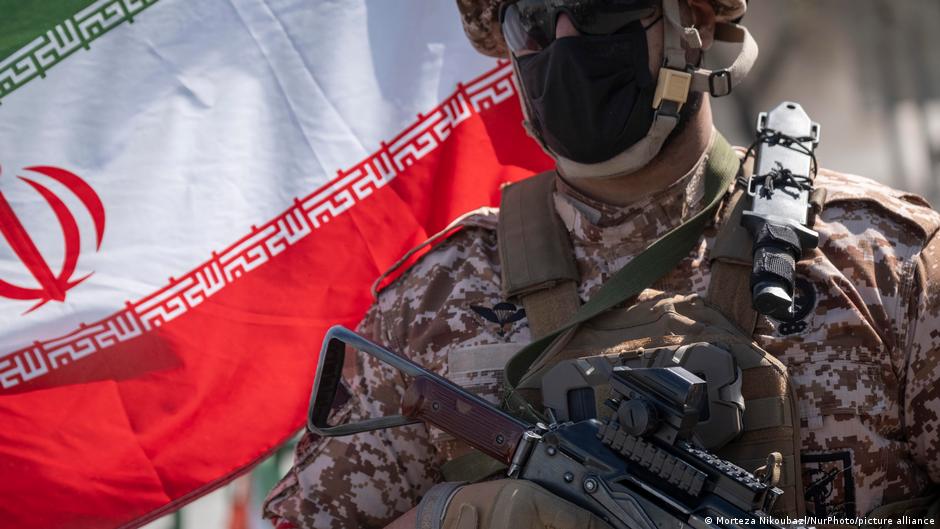
The ongoing war in Iran is significantly altering the nation's leadership dynamics, with the Revolutionary Guard gaining prominence over traditional clerical authority.
Context
The current conflict in Iran is reshaping its political landscape, leading to a shift in power from clerical leaders to military figures.S1S2
Key points
- The Revolutionary Guard is becoming the dominant force in Iran's power structure.S1S2
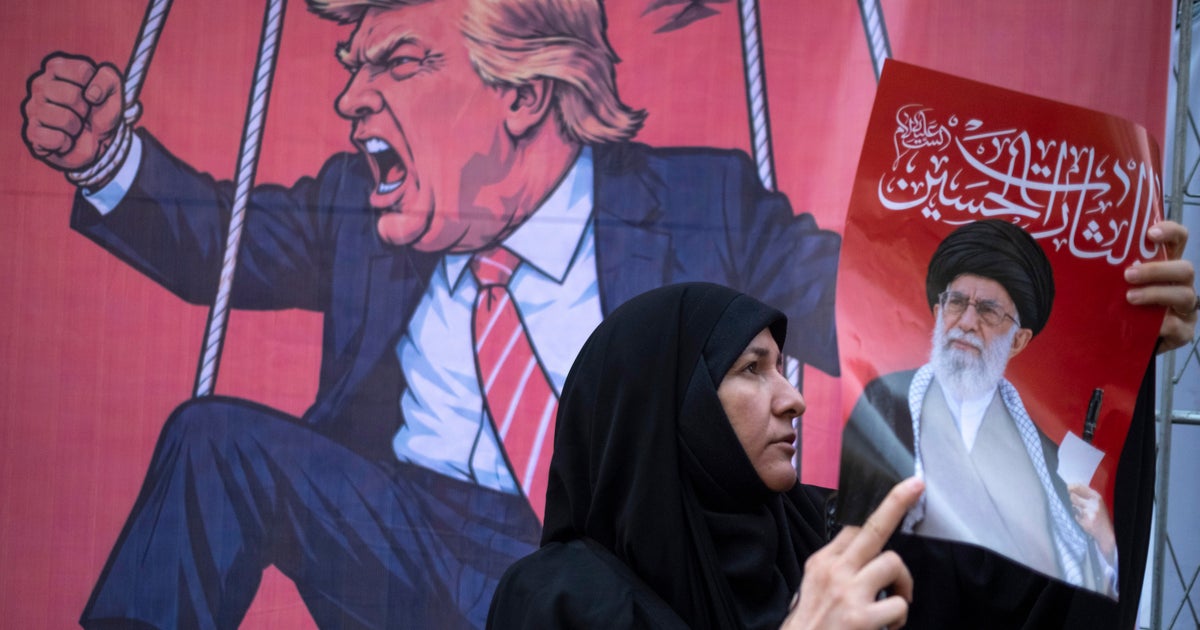
- This shift is seen as a weakening of the clerical foundations of the Iranian system.S1S2
- Analysts are closely monitoring the implications of this military ascendancy.S1S2
- The change in leadership is a direct response to the ongoing war.S1S2
- There is a growing concern about the future of clerical authority in Iran.S1S2
- The military's rise may lead to significant policy shifts in Iran.S1S2
- The Revolutionary Guard's influence could affect Iran's regional strategies.S1S2
- This transformation may alter Iran's relations with other countries.S1S2
Why it matters
- Understanding this power shift is crucial for analyzing Iran's future governance.S1S2
- The military's dominance could lead to more aggressive foreign policies.S1S2
- The weakening of clerical power may impact domestic stability in Iran.S1S2
What to watch
- Monitor developments regarding the Revolutionary Guard's role in governance.S1S2
- Watch for changes in Iran's foreign relations as military leaders gain power.S1S2
- Keep an eye on the response from clerical leaders to this shift in authority.S1S2