The brief
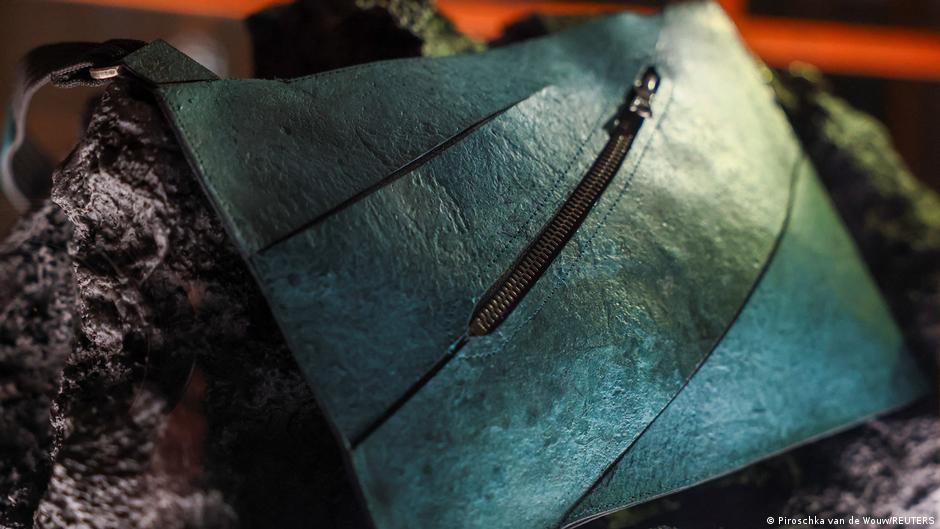
A handbag made from lab-grown Tyrannosaurus leather did not attract any buyers at auction, raising questions about its appeal and authenticity.
Context
The handbag was marketed as the world's first product made from T. rex leather, a claim that has sparked curiosity and skepticism.S1S2
Key points
- The bag was promoted as a unique item in the luxury market.S1
- Despite its novelty, the handbag failed to sell at auction.S2
- The material's authenticity as T. rex leather has been questioned.S1
- The auction's outcome reflects broader consumer interest in lab-grown materials.S2
- The handbag's design and marketing aimed to attract collectors and fashion enthusiasts.S1
- The concept of lab-grown leather is gaining traction in various industries.S2
- This auction result may influence future projects involving lab-grown animal products.S1
- The handbag's failure to sell raises questions about the market for such items.S2
Why it matters
- The auction highlights the challenges of marketing lab-grown products as luxury items.S1
- Consumer skepticism about the authenticity of lab-grown materials can impact sales.S2
- The outcome may deter future investments in similar innovative fashion products.S1
What to watch
- Monitor upcoming auctions for similar lab-grown luxury items.S2
- Watch for consumer reactions to lab-grown materials in the fashion industry.S1
- Observe trends in the acceptance of unconventional materials in luxury markets.S2