The brief
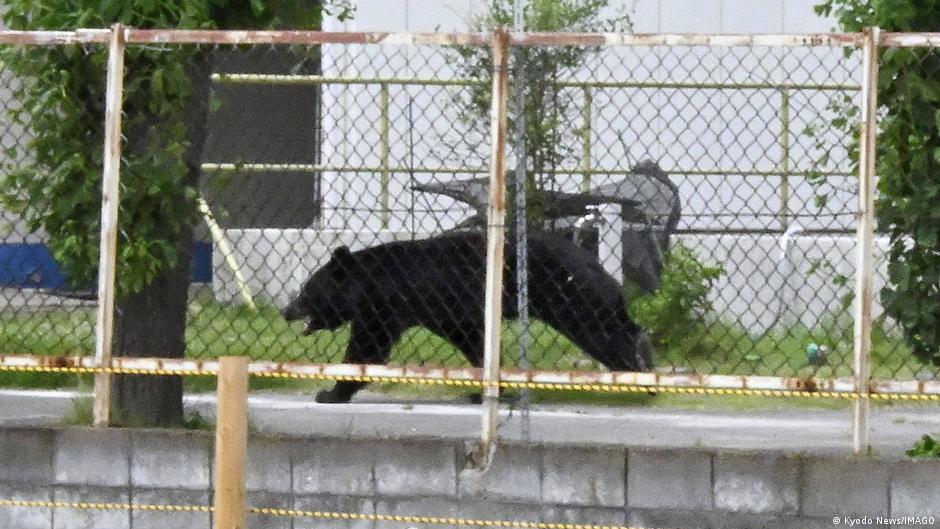
Recent reports indicate a significant increase in bear attacks in Japan, attributed to changing behaviors among bear populations and declining hunting practices.
Context
As hunter numbers decrease, bears are venturing further into human-populated areas in search of food, leading to more encounters and attacks.S1S2
Key points
- Bear sightings in Japan have surged as bears emerge from hibernation, driven by hunger.S1S2
- Experts suggest that bears are becoming less fearful of humans due to reduced hunting pressure.S1S2
- The decline in hunting has pushed bears beyond their traditional habitats.S1S2
- Increased human-bear interactions have resulted in more reported attacks.S1S2
- One individual credited his dogs with saving him during a bear attack.S1S2
- The situation raises concerns about public safety in areas near bear habitats.S1S2
- Local authorities are urged to address the rising threat of bear encounters.S1S2
- The phenomenon reflects broader ecological changes impacting wildlife behavior.S1S2
Why it matters
- Understanding the reasons behind bear behavior changes is crucial for public safety.S1S2
- The rise in bear attacks highlights the need for effective wildlife management strategies.S1S2
- This trend may indicate larger environmental shifts affecting animal populations.S1S2
What to watch
- Monitor local wildlife reports for updates on bear sightings and attacks.S1S2
- Watch for potential policy changes regarding hunting regulations in Japan.S1S2
- Observe community responses to increasing bear encounters and safety measures implemented.S1S2