The brief
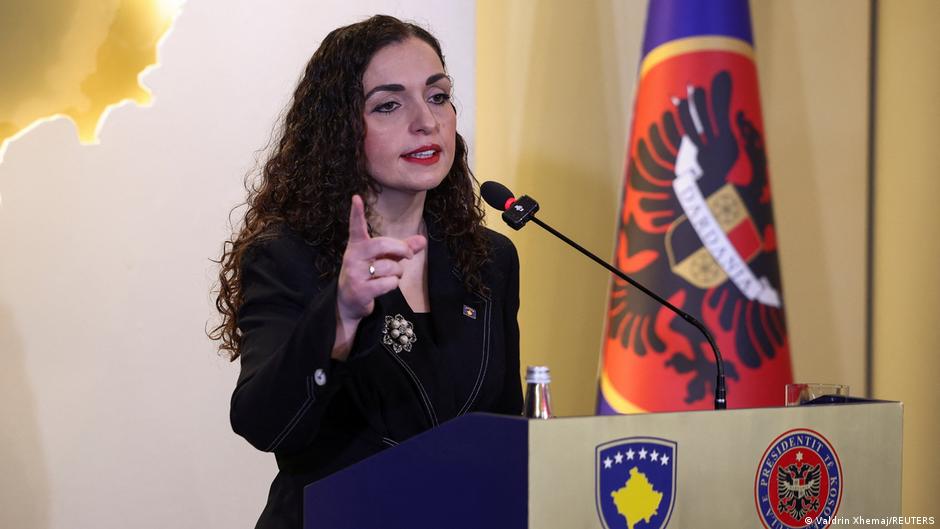
Kosovo is facing the possibility of its third parliamentary election in just over a year due to ongoing political deadlock stemming from the failure to elect a president.
Context
The political situation in Kosovo has been unstable, leading to repeated electoral processes and challenges in governance.S1S2
Key points
- Kosovo has not successfully elected a president, contributing to political deadlock.S1S2
- The country may hold its third parliamentary election in a short span of time.S1S2
- The ongoing political crisis is affecting Kosovo's international reputation.S1S2
- Repeated elections indicate a significant instability in Kosovo's political landscape.S1S2
- The failure to form a stable government raises concerns among international observers.S1S2
- Political parties in Kosovo are struggling to reach consensus on leadership.S1S2
- The situation reflects broader challenges in the region regarding governance.S1S2
- Electoral fatigue may be setting in among the electorate due to frequent elections.S1S2
Why it matters
- Political instability can hinder economic development and foreign investment in Kosovo.S1S2
- A lack of effective governance may exacerbate social issues within the country.S1S2
- The ongoing crisis could lead to increased tensions among political factions.S1S2
What to watch
- Monitor developments regarding potential dates for the upcoming parliamentary election.S1S2
- Watch for reactions from international bodies regarding Kosovo's political situation.S1S2
- Observe how political parties respond to the ongoing deadlock and their strategies moving forward.S1S2