The brief
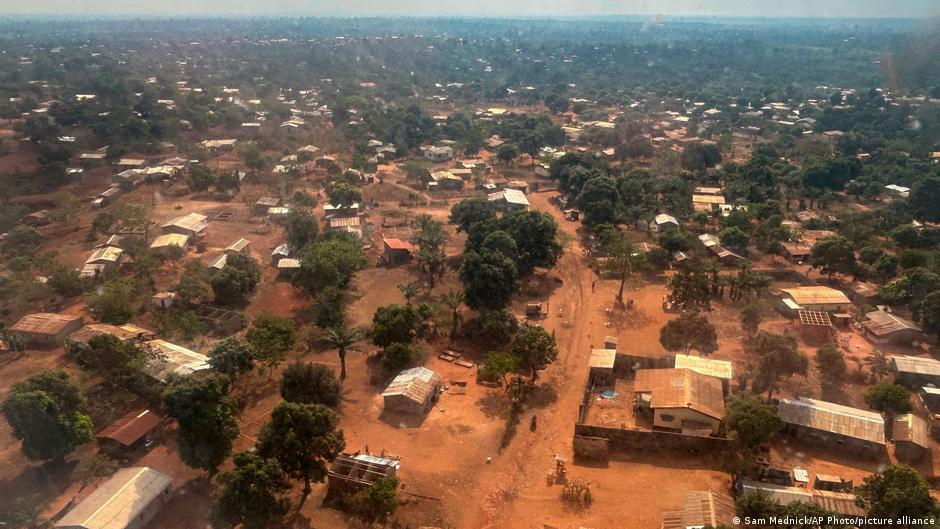
The United States has deported a group of migrants, including an Iranian activist, to the Central African Republic (CAR).
Context
This deportation is part of a broader strategy by the Trump administration to manage migrants who cannot be sent back to their home countries.S1S2
Key points
- The deported group includes individuals who have sought asylum in the US.S1
- The deportation has raised concerns regarding the treatment of migrants in CAR.S1
- The Trump administration has established controversial agreements with several African nations for deportations.S1S2
- Critics argue these deals may violate international human rights standards.S1
- The Iranian activist's deportation has drawn particular attention from human rights advocates.S1
- The US continues to face challenges in managing its immigration policies amid ongoing debates.S2
- This incident reflects the ongoing complexities of US immigration enforcement.S2
Why it matters
- The deportation of migrants, especially activists, raises significant human rights concerns.S1
- It highlights the US's reliance on foreign agreements to handle immigration issues.S1
- The situation underscores the risks faced by deported individuals in unstable regions like CAR.S1
What to watch
- Monitor reactions from human rights organizations regarding the treatment of deported migrants.S1
- Watch for potential changes in US immigration policy under the current administration.S2
- Keep an eye on the impact of these deportations on US relations with African nations involved.S1