The brief
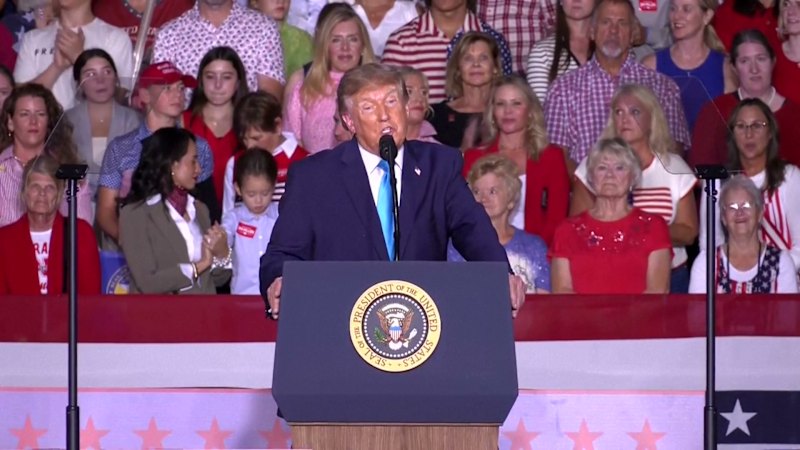
President Trump asserts that an agreement with Iran will lead to a 'toll-free' opening of the Strait of Hormuz, despite conflicting reports from Iranian officials.
Context
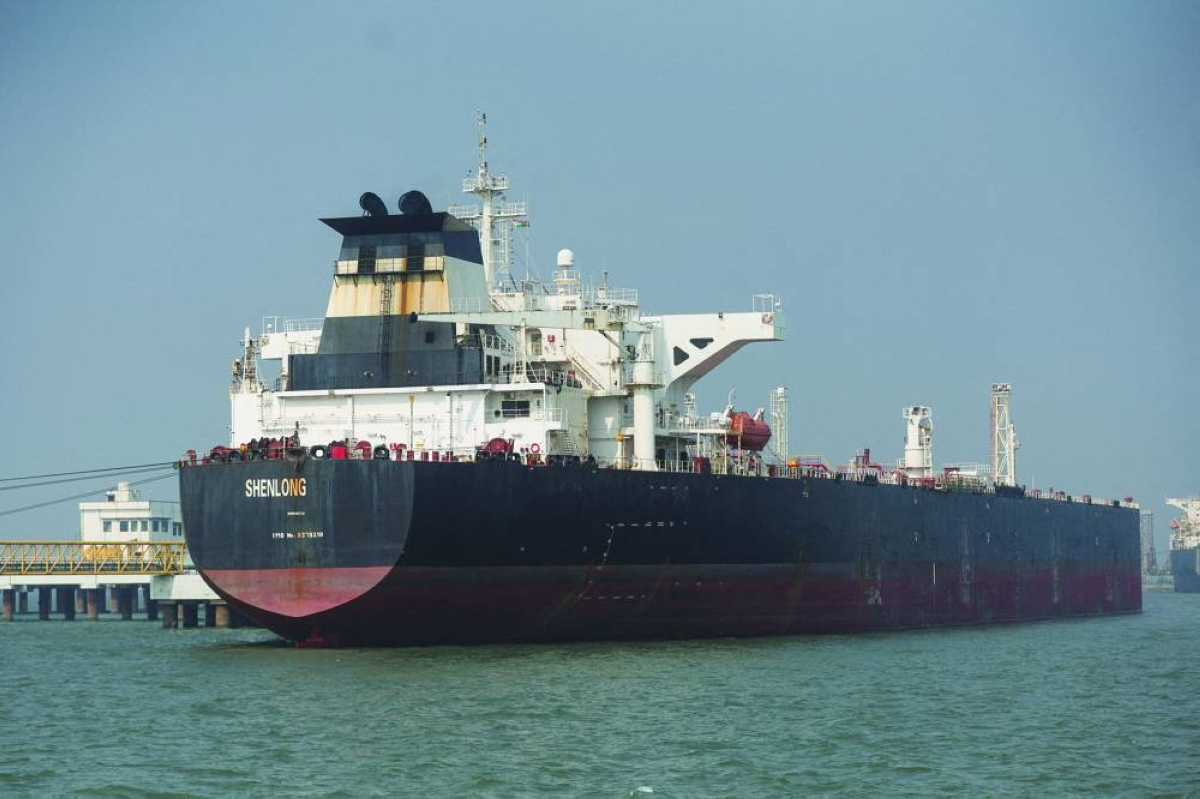
The situation surrounding the Strait of Hormuz is critical for global oil supply, and recent statements from both US and Iranian officials indicate a potential shift in relations.S1S2
Key points
- Trump claims the Strait of Hormuz will be 'permanently toll-free' under a new agreement with Iran.S2
- Iranian deputy foreign minister Kazem Gharibabadi confirmed an agreement for an 'immediate end' to the US-Iranian conflict.S1
- The peace deal mentioned by Gharibabadi includes Lebanon as a participant.S1
- Trump praised the leaders of Russia and China during a recent call, indicating a shift in diplomatic focus.S2
- Reports from Tehran suggest that oil flow may be subject to 'Iranian arrangements' despite Trump's claims.S1
- The agreement is seen as a significant development in US-Iran relations, which have been tense for years.S1
- Trump's comments reflect his administration's ongoing efforts to reshape foreign policy in the Middle East.S2
- The implications of this agreement could affect global oil markets and geopolitical stability in the region.S1
Why it matters
- A stable Strait of Hormuz is crucial for global oil supply, impacting economies worldwide.S1
- The potential end of hostilities between the US and Iran could lead to broader regional stability.S1
- Trump's diplomatic approach may influence future relations with other key players in the region.S2
What to watch
- Monitor developments regarding the signing of the peace deal involving Iran and Lebanon.S1
- Watch for reactions from Israel, given Trump's characterization of its prime minister as 'difficult.'S2
- Keep an eye on oil market responses to the announcements regarding the Strait of Hormuz.S1