
The brief
The United States and Iran have reached a ceasefire agreement, signaling a potential end to ongoing hostilities and the reopening of critical maritime routes.
Context
This agreement comes amid heightened tensions in the region and has significant implications for US-Iran relations and broader Middle Eastern stability.S1S2
Key points
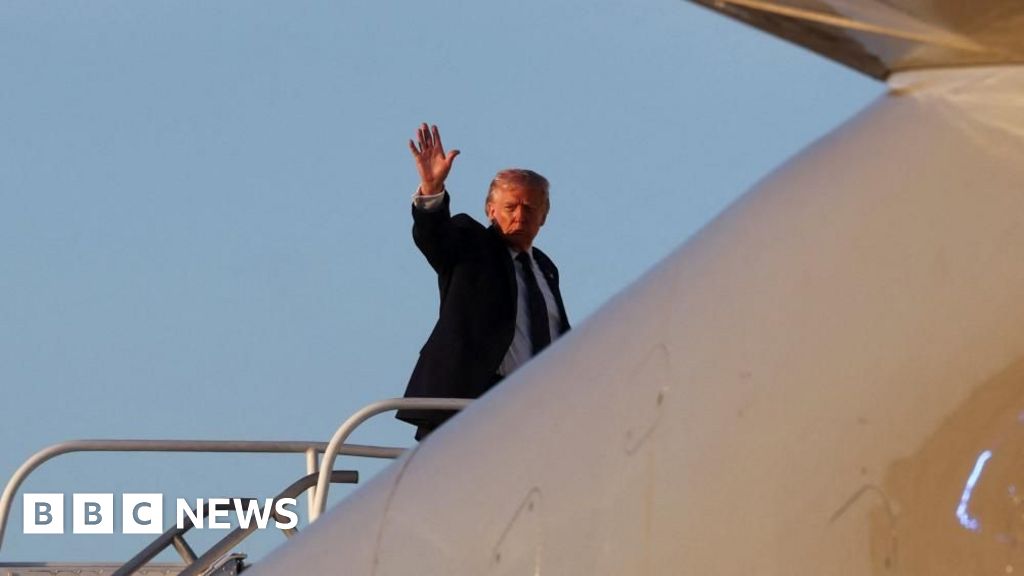
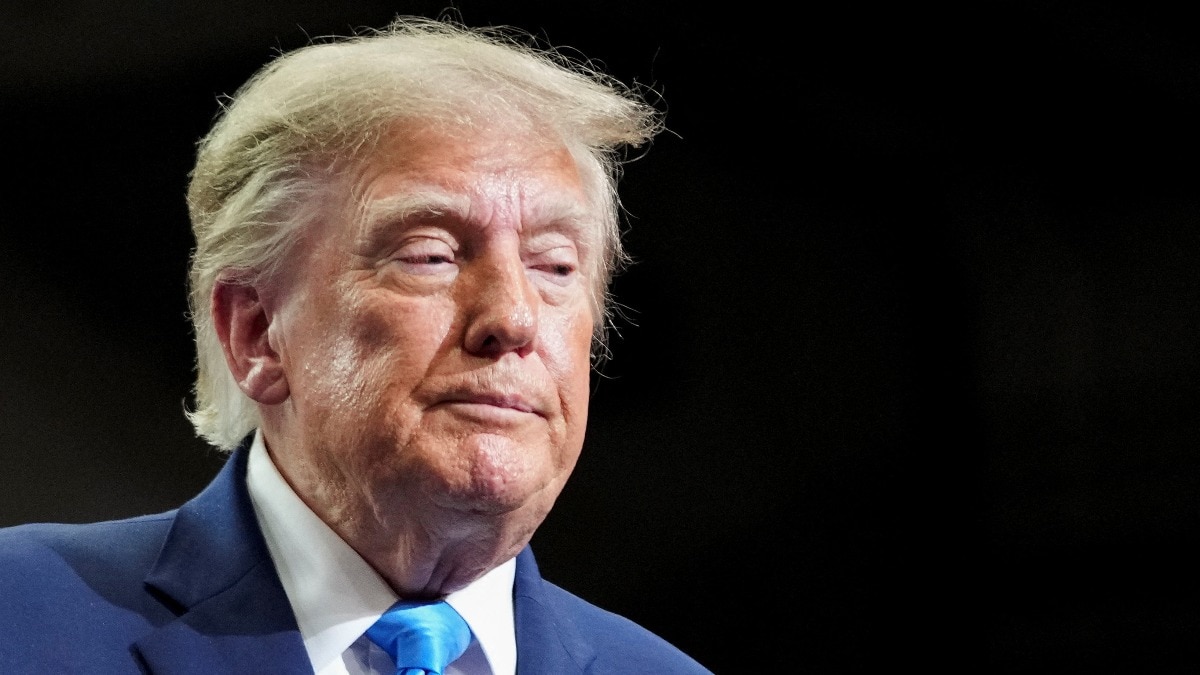
- The ceasefire agreement was announced by US President Donald Trump.S3
- The agreement includes a memorandum of understanding to end the war.S2
- The Strait of Hormuz is set to be reopened as part of the agreement.S2
- Israeli Prime Minister Benjamin Netanyahu has not publicly commented on the ceasefire.S1
- Netanyahu's recent social media activity focused on celebrating Trump's birthday instead of the ceasefire.S1
- The ceasefire could reshape the geopolitical landscape in the Middle East.S2
- This development may impact US relations with its allies in the region.S2
- The announcement follows a period of escalating tensions between the US and Iran.S3
Why it matters
- The ceasefire could lead to reduced military engagements in the region.S2
- Reopening the Strait of Hormuz is crucial for global oil supply and trade.S2
- The agreement may influence future negotiations regarding Iran's nuclear program.S2
What to watch
- Monitor reactions from Israeli leadership regarding the ceasefire.S1
- Watch for developments in US-Iran relations following the agreement.S2
- Observe the impact on regional stability and maritime security in the Strait of Hormuz.S2





/file/attachments/2998/14341149_774243.jpg)