The brief
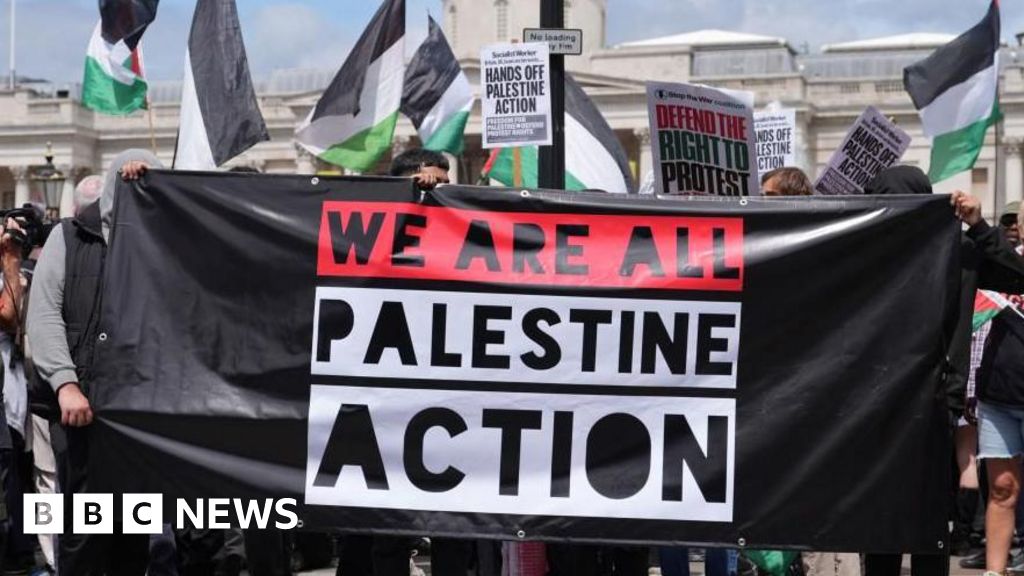
The Court of Appeal has ruled that the UK government's ban on the protest group Palestine Action as a terrorist organization is lawful, overturning a previous High Court decision.
Context
This ruling marks a significant development in national security law in the UK, particularly regarding the balance between protest rights and national security concerns.S1S4
Key points
- The Court of Appeal found that the government's proscription of Palestine Action was lawful under the Terrorism Act.S2S3
- The ruling overturned an earlier High Court decision that deemed the ban a violation of the right to protest.S1S4
- Judges stated that the group's activities are primarily aimed at causing damage to companies like Elbit Systems.S3
- This case is notable as Palestine Action is the first group to be banned under the Terrorism Act in the UK.S4
- The decision was made by a panel of five senior judges, including the two most senior judges in England and Wales.S4
- The ruling emphasizes the government's authority to act against groups perceived as threats to national security.S2
- The case has sparked discussions about the limits of protest and the application of anti-terrorism laws.S1
- The implications of this ruling may affect future protests and actions by similar groups in the UK.S1S4
Why it matters
- The ruling reinforces the government's stance on national security and its ability to regulate protest activities.S2
- It raises questions about the balance between civil liberties and security measures in the UK.S1
- The decision could set a precedent for how similar cases are handled in the future.S4
What to watch
- Monitor reactions from civil rights organizations regarding the implications of this ruling.S1
- Watch for potential appeals or further legal challenges from Palestine Action or related groups.S2
- Observe how this ruling influences public protests and government responses in the coming months.S3


